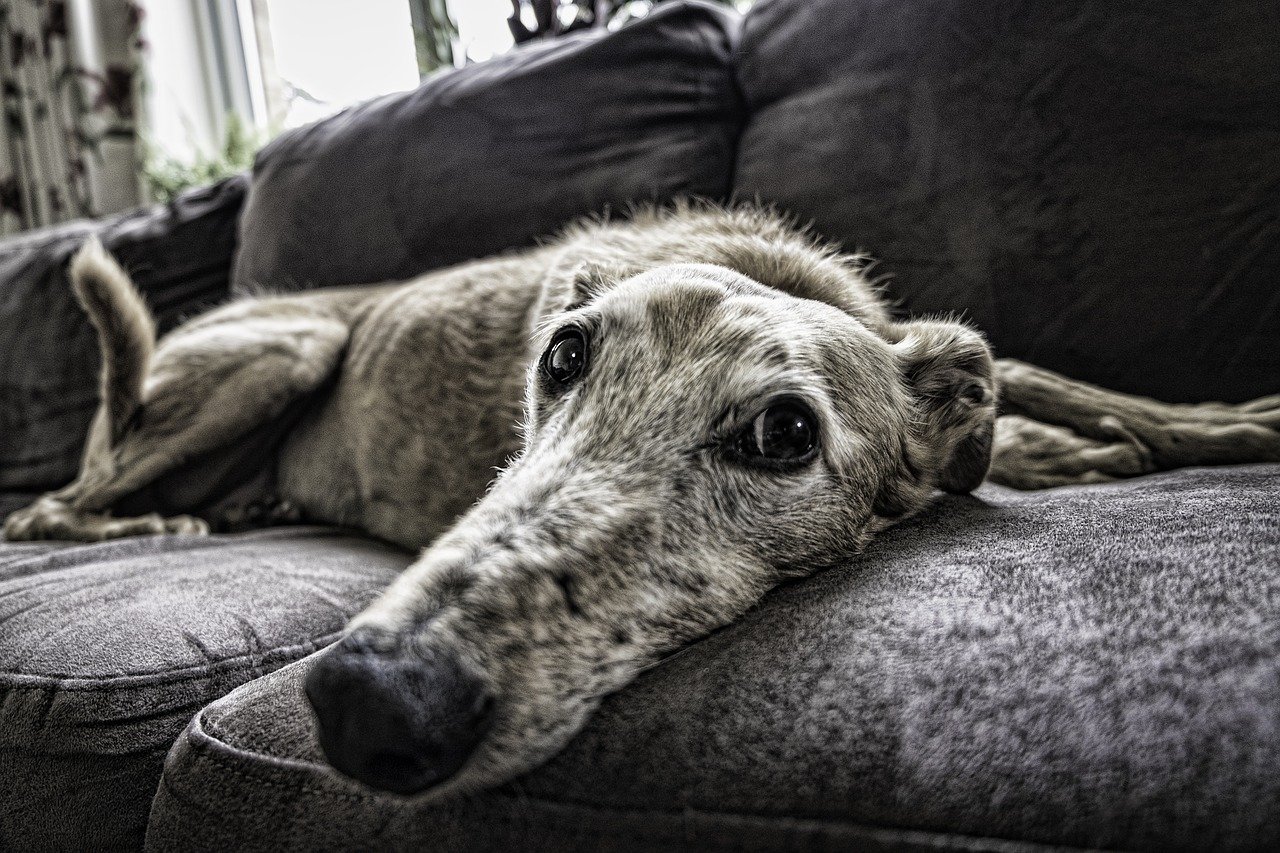
Canine osteoarthritis, or simply dog arthritis, is an issue that many dog owners must face, particularly in their senior years. Along with treatments like acupuncture and chiropractic care, all-natural dog arthritis supplements are one of the best options for addressing aches and pains caused by dog arthritis. At SeaPet, we offer top-quality dog arthritis supplements that are vet-recommended and backed by science.
Arthritis isn’t a condition exclusively found in older dogs, either. Younger dogs who grow particularly quickly may also suffer from canine arthritis. In this article, we’ll talk about:
- The signs and symptoms of arthritis
- The dog breeds that are most likely to develop it
- 9 popular treatments owners use to address arthritis pain
What is canine arthritis?
Arthritis is an inflammation of the joints, and it can occur in any joint in the body. There are many causes of arthritis, including excessive wear and tear, the use of certain medications, and poor joint structure. You may have noticed your pooch displaying symptoms like:
- Limping
- Difficulty moving
- Reduced interest in walks and other physical activities
- Pain when a sore joint is touched
If your pup is showing any of these signs, you will want to take them to see the vet. It’s often a simple diagnosis, involving no more than feeling your dog’s joints as they extend and flex. Once you receive a diagnosis, you and your veterinarian can develop a personalized dog arthritis treatment plan.
While canine arthritis is often thought to be a problem for older dogs, malformation or injury of the joints can also cause arthritis in young dogs as well. Owners with purebred dogs should take the time to do research on their chosen breeder. Elbow and hip dysplasia are genetic conditions that cause the joints to grow incorrectly, so pick a breeder who has a history of healthy dogs with strong joints.
All puppy owners should be mindful of their environment and be especially careful not to overexert their pups. Slippery surfaces can cause joint damage, so make sure your house has plenty of rugs to help with stabilization. Outdoor play should happen on soft surfaces, like grass.
Dogs of any age can suffer from injury-related arthritis as well. That’s why it’s so important to be careful while playing with young dogs — early-onset arthritis caused by injury can be avoided. The same goes for older dogs: just like us, they need to warm up and cool down before and after they exercise.
Are some dog breeds more likely to suffer from dog arthritis?
Joint problems are perhaps the most common problems among older dogs, particularly if they were not carefully bred. Dogs who experience osteoarthritis will experience differing levels of inflammation and pain near their joints throughout their lives. For some dogs, these issues manifest as minor symptoms that don’t need treatment at all. Others see problems arrive at the point where, over time, they become debilitating.
While almost any dog can develop canine arthritis, heavy, large dog breeds are more likely than other dogs to suffer from arthritis. Two common factors that contribute to this are overnutrition and roughhousing. Modern dog food is often enriched with vitamins and minerals, and oversupplementing can encourage the bones to grow more quickly than their bodies can handle. Large-breed puppies are also more likely to roughhouse more intensively than smaller dogs, leading to damage to still-developing joints.
The ten breeds that are most likely to develop joint problems are:
- St. Bernards
- German Shepherds
- Newfoundlands
- Golden Retrievers
- Rottweilers
- Labrador Retrievers
- Great Danes
- Old English Sheepdogs
- Mastiffs
- Dachshunds
The dachshund is the notable exception in this list of otherwise quite large dogs. Owing to the dachshund’s long back and short legs, it’s much more prone to spinal and joint issues. Also notable are bulldogs and basset hounds, who are predisposed to joint and cartilage problems. They also have higher odds of elbow incongruity, where one elbow or leg bone grows longer or differently than its partner.
Treating arthritis pain in your dog: traditional and alternative methods
In addition to traditional therapies, there are a variety of alternative treatments for dog arthritis that are supported by veterinary research. From NSAIDs to CBD, there are many options available that can help your dog stay more comfortable and mobile. Here are 9 of the most popular treatments and therapies for dog arthritis.
NSAIDs (Non-Steroidal Anti-Inflammatory Drugs)
Just as in humans, dogs can benefit from pain control medications as well. NSAIDs (Non-Steroidal Anti-Inflammatory Drugs) are frequently the first line of defense in a dog arthritis treatment plan, and they are generally quite effective in managing pain and joint inflammation. Unfortunately, NSAIDs also come along with the danger of severe side effects, particularly when used over long periods of time. It is important to understand the risks that come along with NSAIDs, so discuss the pros and cons for your dog with a veterinarian.
Weight management
Whether or not your dog suffers from arthritis, it’s critical for canines to maintain an active lifestyle and a healthy weight. Gentle and regular exercise is recommended for all dogs, and dogs with arthritis can benefit, too. Overweight dogs may be more susceptible to developing arthritis as well. Excess weight in dogs who have been diagnosed with arthritic joints can be especially painful, and it can exacerbate the breakdown of cartilage. If your dog is chonky, talk to your vet about a diet and exercise routine that is designed for your dog’s needs.
Acupuncture for dogs
Acupuncture works by using thin needles to stimulate the nerves. This helps to increase blood circulation, reduce the severity of muscle spasms, and encourage the release of endorphins and cortisol. While some owners may balk at the idea of needles, know that the process is nearly painless! Over time, a dog who’s treated by an acupuncturist will experience benefits that last longer and longer as the body’s balance is restored.
Traditional herbal remedies
Traditional Chinese Veterinary Herbal Medicine practitioners and holistic veterinarians may recommend alternative medications that contain herbs. Three of the most commonly used Chinese herbal formulas for dog arthritis are:
- Ligusticum, a natural pain reliever
- Corydalis, known for relieving aches and other discomforts
- Turmeric and Boswellia, natural anti-inflammatories
Before starting your dog on any herbal remedies, be sure to consult with your veterinarian to be sure your dog is a good candidate for herbal medicine.
Physical therapy
Canine rehabilitation, or physical therapy, focuses on helping dogs shed excess weight, reduce pain, and improve joint mobility. The method and exercises used during physical therapy may include stretching, time on an underwater treadmill, gentle obstacles, and more. In fact, some canine physical therapy for arthritis can be done at home, but more complex cases require the attention of a physical therapy specialist. As with any therapy, talk to your vet before beginning a course of treatment.
Therapeutic massage
Massage is a natural dog arthritis remedy that helps to increase circulation to the muscles, ligaments, and tendons. It’s often used in concert with physical therapy and chiropractic care. The techniques used for canine massage therapy mirror those used in human massages, such as acupressure, craniosacral therapy, passive range of motion, and trigger-point massage.
Dog chiropractic care
One of the oldest medical practices in history, chiropractic care is a therapy that can provide immediate relief. During chiropractic treatments, a specially trained canine chiropractor manipulates the bones of the spine, joints, and any other painful areas. This is an effective way to increase blood flow to the muscles and other soft tissues around the joints, helping to ease the pain — quickly.
Cold laser therapy
Cold laser therapy employs a deeply penetrating light that stimulates a process known as photobiostimulation. This process promotes the release of endorphins and accelerated healing. Cold laser therapy can also decrease swelling and inflammation, providing short- and long-term benefits to dogs with arthritis.
Natural supplements
Natural joint supplements are one of the most popular natural dog arthritis treatments that vets turn to. Research shows that supplements containing glucosamine and chondroitin are effective in promoting healing, reducing inflammation, and increasing cartilage’s water retention capabilities.
Methylsulfonylmethane, known as MSM, is a form of sulfur produced naturally by the decay of phytoplankton. It’s a chemical that’s easily created in labs, and lab-synthesized MSM has quickly become the main source of MSM found in supplements. MSM is widely regarded for its anti-inflammatory and analgesic properties, and it can also be found in collagen-rich connective tissue and bones.
However, it can be a full-time job trying to ensure that your dog is getting enough MSM. The most common suggestion to ensure your dog is getting enough natural MSM is to feed a raw, organic diet — an option that’s out of reach and impractical for many owners.
Glucosamine is a natural compound that’s used to improve the health of the articular cartilage. The articular cartilage is a smooth layer of cartilage that protects the ends of the bones. Along with joint fluid, the articular cartilage works to cut down on joint friction, allowing the joint to glide smoothly without pain. Glucosamine has also been found to boost the body’s ability to nourish damaged articular cartilage.
Natural shark cartilage contains a nutrient-rich combination of glucosamine, chondroitin sulfate, and other beneficial proteins. These compounds work in concert to support the canine immune system, ensure healthy joints, and inhibit angiogenesis.
Shark cartilage is a supplement that can be given on its own or in combination with other supplements. It may also be used as an ingredient within a joint health supplement. Pro tip: when you’re looking for a shark cartilage supplement for arthritis, choose a pure product that doesn’t contain filler ingredients.
Natural supplements like joint health powders and glucosamine-rich shark cartilage are a safe and nontoxic way to support your dog’s joint health. Of course, before beginning any course of treatment for your dog — even with the most natural of remedies — speak with your vet to fine-tune your treatment regimen.
Health tips for owners of an arthritic dog
Owners of dogs with arthritis have a number of treatment options available to them, but there are also many practical things that you can do to help your arthritic dog be more comfortable. Here are some examples of easy changes you can make around the house:
- Elevate their food and water bowls
Many dogs with arthritis find it difficult to bend their neck down to get to their food and water bowls. Elevating their bowls with an especially-designed stand can help to ease the strain on their neck and back. This helps them stay comfy by reducing pain while helping them stay hydrated and well-fed. However, if your dog is a breed that is known to have an increased risk for gastric dilatation-volvulus (GDV) or bloat, make sure to consult your veterinarian before making this change.
- Provide a soft place to rest
Lying on a hard floor gives no support to your dog’s bones, and it can also cause painful pressure points. Make sure that your dog’s bedding is soft and also provides them with adequate support as they sleep and relax during the day. A minor investment that can make a major difference is a memory foam or orthopedic dog bed. Dogs with arthritis often feel better when they sleep on beds with some extra padding that helps to ease their sore joints. And one more thing: place your dog’s bed in a warm, dry area. Drafts of cold air and dampness are both known to exacerbate arthritis symptoms.
Arthritic dogs often need more help getting to their favorite places. If your dog is having a hard time getting in and out of the car or your bed, consider installing or buying a ramp. Ramps help dogs continue the activities they love without pain. Of course, be sure that your ramp is covered with carpet or another grippy material and that it isn’t too steep or slippery for your dog.
Another mobility tool that you can use with your dog is a mobility harness. Harnesses often have a handle to help you take some weight off your dog’s joints. If you’re in a situation where you’re without a harness, try rolling up a beach towel and slinging it under your dog’s belly in front of its back legs to provide temporary mobility support.
Grippy socks and boots can provide your dog with the traction they need on the floors in your home. However, some dogs just aren’t fans of wearing the boots. If your dog will, socks are a great addition to the stability offered by carpets and rugs and give them extra traction in areas without rugs or carpets. Bonus: boots and socks also make it easier to get up from lying down.
Another grippy thing you can do for your dog is to keep their nails short. Regular nail trims help to minimize the pressure on your dog’s feet. When you don’t stay current on your dog’s claws, the nails can grow long enough to make it painful to walk or even cause a limp. And while you’re at it, don’t forget to trim the dewclaws. Forgetting to trim the dewclaws can cause them to overgrow into the skin of their foreleg and cause infection.
- Get enough exercise — but don’t overdo it
Many pet owners who have dogs suffering from arthritis erroneously believe that, because their dog is experiencing discomfort and decreased mobility, they should cut out exercise to keep them more comfortable. While it may seem counterintuitive, physical activity is just as important, if not more important, for dogs with arthritis. Physical activity keeps dogs’ joints limber and well-lubricated. Ask your veterinarian for some suggestions on the types of activities that would be best for your pet.
Effective, safe arthritis treatment for dogs
Arthritis is a chronic condition, meaning that in most cases, there’s no cure. Turning to dog arthritis natural remedies can be an effective way to manage your dog’s pain, help improve mobility, and enhance your dog’s quality of life.
It’s always best to start out gradually, with the most non-invasive solutions — such as supplements. If necessary, you can try additional treatments as well. If you suspect that your dog has arthritis, make an appointment with your vet. Using the above suggestions, you can arrive at your dog’s vet appointment armed with the information you need to make the best decision for your dog.
Once you receive a diagnosis, you and your veterinarian can work together to develop a personalized dog arthritis treatment plan. Fortunately, the majority of dogs with arthritis are great candidates for natural supplements for dog arthritis, and most natural supplements can be used in conjunction with other treatments. If you’re ready to start your dog’s arthritis pain relief journey, turn to SeaPet: a reliable and trustworthy source for the best dog arthritis supplements.
Photo Credit: https://pixabay.com/photos/dog-sofa-rest-pet-home-animal-2579885/