How to Get Rid of Pet Odor

Share This Post

People love their pets, whether they are dogs, cats, parakeets, ferrets, chinchillas, rats, guinea pigs, and sugar gliders. There is a wide variety of indoor pets that are loved by their owners, but no matter how different one pet is from another, they all have a few important similarities. They give us back as much love as we give them, we’re responsible for their well-being, and…they smell. And at times, the odor may be so strong that it seems to affect your entire house. That’s where EarthPawz Smelly Dog comes into play.

If you’re wondering how to remove pet odor from carpets or how to get rid of pet odor in hardwood floors, Smelly Dog can help! If your microfiber couch smells exactly like your pup, Smelly Dog can come to the rescue. And don’t let the name fool you. You don’t have to have a dog for Smelly Dog to improve the aroma of your home. Smelly Dog can take care of odors from any pets you might have—and more.

Often when you are expecting guests (especially guests who are visiting for the first time), you will do an intensive cleaning session on your whole home to make the best possible impression on your visitors. Imagine if you did all that cleaning only to see your guests’ noses wrinkle up in distaste when they walk in. Being polite, they would probably quickly put a smile on their face, but once you’ve seen it—you know. Your house smells like your pets. And not in a good way. 

It’s easy to go “nose blind” to the smell your pets leave in your home. Over time, the scent of your house just becomes part of the background. In fact, you might not even notice an unpleasant odor unless Spot creates a spot that you need to clean up. But even clean pet houses can take on the smell that announces “Animals live in this house” to all who enter. Smelly Dog can help get rid of those types of odors. Friends walking in won’t even know you have a pet if only the parrot didn’t start yelling, “Hello! Hello!”

How does Smelly Dog work to get rid of pet odor?

Most pet odor products simply cover up any unpleasant odors our pets leave in our carpets, curtains, and other surfaces in our homes, but Smelly Dog works differently. Smelly Dog is a patented formula that contains five separate types of probiotic microorganisms. These five compounds work together to degrade and attack odor at its source. The microorganisms break down the proteins, starches, and fats that cause offensive smells. Even the worst pet odors like feces and urine can be easily removed by Smelly Dog. It works on porous and nonporous surfaces alike. 

Smelly Dog comes ready to use, so you can use it to remove odors on pet beds, around litter boxes, and in crates and cages. Plus, it’s a multipurpose cleaner that’s useful for more than just pet odors. It can be used on stinky shoes, in diaper pails, and even sports equipment. Whatever stubborn odors you need eliminated, you can be sure that Smelly Dog is up to the job. 

One of the most important things about Smelly Dog is that it is nontoxic to both you and your pets. Many odor-removing products contain harsh chemicals that can harm a dog or cat who might lick surfaces or their paws after walking on it. Not so with Smelly Dog! Your pets are as safe as if you had used only water, but of course, the odor-removing power is a great deal more effective than if you just used water. 

How do cleaners with chemicals harm pets?

There are plenty of products available that can help to remove pet odors and add a pleasant scent to your home. It’s important for you to know, however, exactly which chemicals are used in these deodorizers. In fact, not all products listed as “natural” are safe for all animals. 

One of the worst culprits for these types of problems come from products labeled “natural” or “green.” These may be technically correct, but products with these labels can contain toxins. Since the FDA does not dictate standards on these labels, they can say they’re safe without actually being safe. For example, pyrethrin is a so-called natural ingredient used in cleaners that’s safe for dogs, but not for other pets. 

In addition, some chemicals are non-toxic to people, but not for animals. Other toxins are natural, but still cause harm. After all, poison ivy is all-natural, but you wouldn’t want to use it as a lotion or a cream! Be sure to read the ingredients of any products that are labeled as green, natural, or non-toxic. Watch out for formaldehyde, isopropyl alcohol, thymol, ethoxylate, and sulfate. These are just some of the common toxins found in green and natural cleaners.

There are certain signs to be aware that may indicate that your pet has been exposed to dangerous cleaning chemicals. You may notice an unusual nasal discharge that is accompanied by an increase in sneezing and coughing. You may also observe that your pet may be itching itself more than normal or that their skin is especially irritated. Another potential sign of chemical poisoning is diarrhea that doesn’t stem from any dietary issues your pet may have. If your pet is experiencing some or all of these conditions, get them to your vet and be sure to bring a list of all the cleaning products you use so they can use that information when treating your pet.

If you want to address pet smell effectively without dangerous ingredients, pick Smelly Dog. It is entirely non-toxic to all of your pets (and all of the humans) in your house. If you don’t want to go through all the hassle of reading and comparing labels, order the best non-toxic cleaner online, Smelly Dog by EarthPawz.

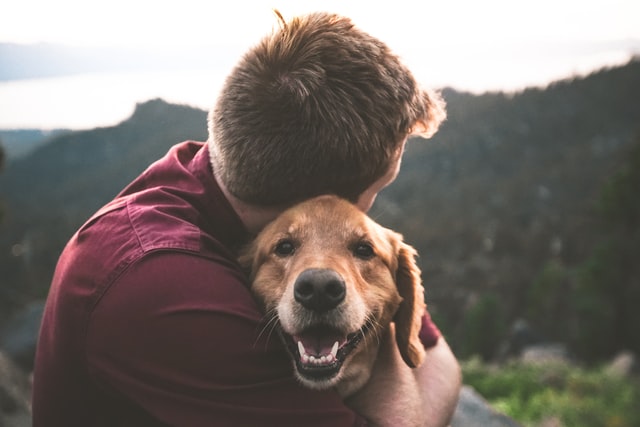
Image credit: https://unsplash.com/photos/ISg37AI2A-s

Share This Post

Recent Articles

Caring for Your Great Dane’s Skin: Common Problems and Natural Solutions

Great Danes, known for their gentle temperament and majestic size, are a beloved breed among dog owners. However, like many large breeds, they can experience a range of skin issues that affect their comfort and overall health. In this post, we’ll explore the most common skin concerns in Great Danes—including allergies, bumps, dry skin, and persistent itching—and share effective solutions. We’ll also highlight how Omega-3 fish oil supplements can help support your Great Dane’s skin and coat health.

Read More »