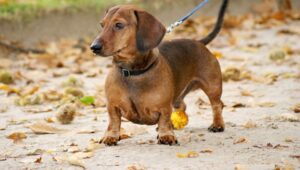
Shar-Peis are one of the most unusual breeds known to humankind. An ancient breed that originated in southern China, Shar-Peis were originally kept as watchdogs. They are steadfastly loyal dogs — great companion animals, yet can be standoffish with strangers and unknown dogs. Shar-Peis are extremely unique in appearance, with a muzzle reminiscent of a hippo’s, small eyes, a blue-black tongue, and of course, the signature wrinkles around its head and shoulders.
Shar-Peis are also particularly sensitive dogs when it comes to their skin and coat. All dogs with short coats are prone to skin irritation, especially if they have allergies. The adorable, distinctive wrinkles can contribute to Shar-Pei skin issues too. While it’s important to consult with your veterinarian if your Shar-Pei is showing any signs of irritation, there are several home remedies that have been shown to help reduce the chances of skin-related diseases.
One of the most common suggestions is to add omega-3 fish oils to your dog’s diet. It’s likely the easiest way for you to give your dog’s coat a boost, and you can pick up this extra support for Shar-Pei skin issues from a reputable source like SeaPet. But before we get ahead of ourselves, let’s look at the different skin conditions that Shar-Peis are most susceptible to and the treatments that many owners turn to.
Common Causes of Shar-Pei Skin Issues:
- Allergies
- Fungal infections
- Folliculitis
- Skin Irritation
Shar-Peis are particularly prone to an allergy called “atopy”, which most often affects the ears, folds of the skin, belly, and feet. You’ll want to keep an eye out for any excessive licking of the paws or belly, face-rubbing, and unusually frequent ear infections. Seeing a veterinarian is the best way to diagnose the specific allergy trigger and the proper course forward regarding treatment.
The Shar-Pei’s skin folds are constantly rubbing together, and any moisture can aggravate the sandpaper-like effect of their short fur. If you notice your dog’s skin turning red, balding, or an unpleasant odor, take your dog to the vet ASAP so you can start treatment immediately. One way to ward off fungal infections is by keeping your Shar-Pei clean and dry at all times.
Folliculitis is a condition that causes baldness and small pustules. Short, bristle-haired dogs are more likely to suffer from folliculitis than long, smooth-coated breeds. While all dogs have a bacteria called Staphylococcus intermedius in their skin, Shar-Peis are particularly susceptible to this condition due to their skin folds. Itching and biting at the irritation can cause wounds in the skin, so be sure to get your dog started with proper treatment as soon as you can.
General skin irritation is very common in Shar-Peis due to their short hair and wrinkly skin. It’s important to keep an eye on your dog’s coat so you can be sure to catch any irritation quickly. As you can see, there are a number of conditions that can cause Shar-Pei skin issues, so be sure to see your vet if you notice anything out of the ordinary for your dog.
Home Remedies For Shar-Pei Skin Problems:
- Frequent Grooming
- Medicated Shampoos
- Allergy Management
- Dietary Supplements
Owners can help to ward off Shar-Pei skin issues preemptively by keeping their dog scrupulously groomed. If you’re not used to having a dog with skin folds, there are a few more steps to grooming a Shar-Pei. For example, after you bathe your dog, be sure you dry your dog thoroughly. Same with rainy or humid days — any moisture that gets caught in the skin folds can make the skin more tender, allowing the bristly hairs to irritate the skin. Make checking your dog’s skin folds a part of your daily grooming ritual, just like you’d make brushing an Afghan Hound a habit.
Folliculitis and fungal infections are often treated with medicated shampoos. Medicated shampoos do have the potential to irritate your dog’s skin, though, so keep an eye on the affected areas. Veterinarians often recommend certain types of shampoos containing soothing ingredients for regular baths too. Oatmeal, aloe vera, and more have been shown to improve skin health in Shar Peis. And don’t forget: once you’ve rinsed off, keep your dog’s skin as dry as possible until it’s time for the next bath.
If your dog is diagnosed with skin issues that are caused by allergies, you’ll want to figure out what the trigger is and eliminate it. Some allergies are caused by outside factors, like plants or household cleaning agents. Others are caused by a certain food. Alleviating allergy symptoms can be as easy as removing the offending substance and helping the skin heal itself. Your veterinarian can help you root out the cause and advise you on future steps.
All-natural dietary supplements are a veterinarian-endorsed way to support good skin and coat care. Omega-3 is an essential fatty acid that’s not naturally made by your Shar-Pei’s body. Omega-3 fatty acids help to boost your dog’s immune system. They also act as an anti-inflammatory, which can give your dog a boost when it comes to avoiding or treating skin issues. Omega-3 is most often found in fish oil, a natural supplement that’s easy to add to their meals. Most dogs enjoy fish oil’s taste, and aside from keeping the skin and coat healthy, it has a wealth of other benefits.
If your Shar-Pei is showing signs of skin issues, it’s important to get ahead of potential infections. Adding omega-3 fish oils to their food is a simple way to getting your dog a smoother coat and healthier skin, and the vast majority of veterinarians agree. SeaPet’s line of omega-3 fish oils is a great place to start, offering everything from pure fish oil to fish oil enriched with additional vitamins. Made sustainably with small fish, our fish oils contain the most nutrients and available omega-3 fatty acids you can find. Supplementing is the best (and easiest) way to head off problems before they even begin. Pick up omega-3 fish oils from SeaPet today.