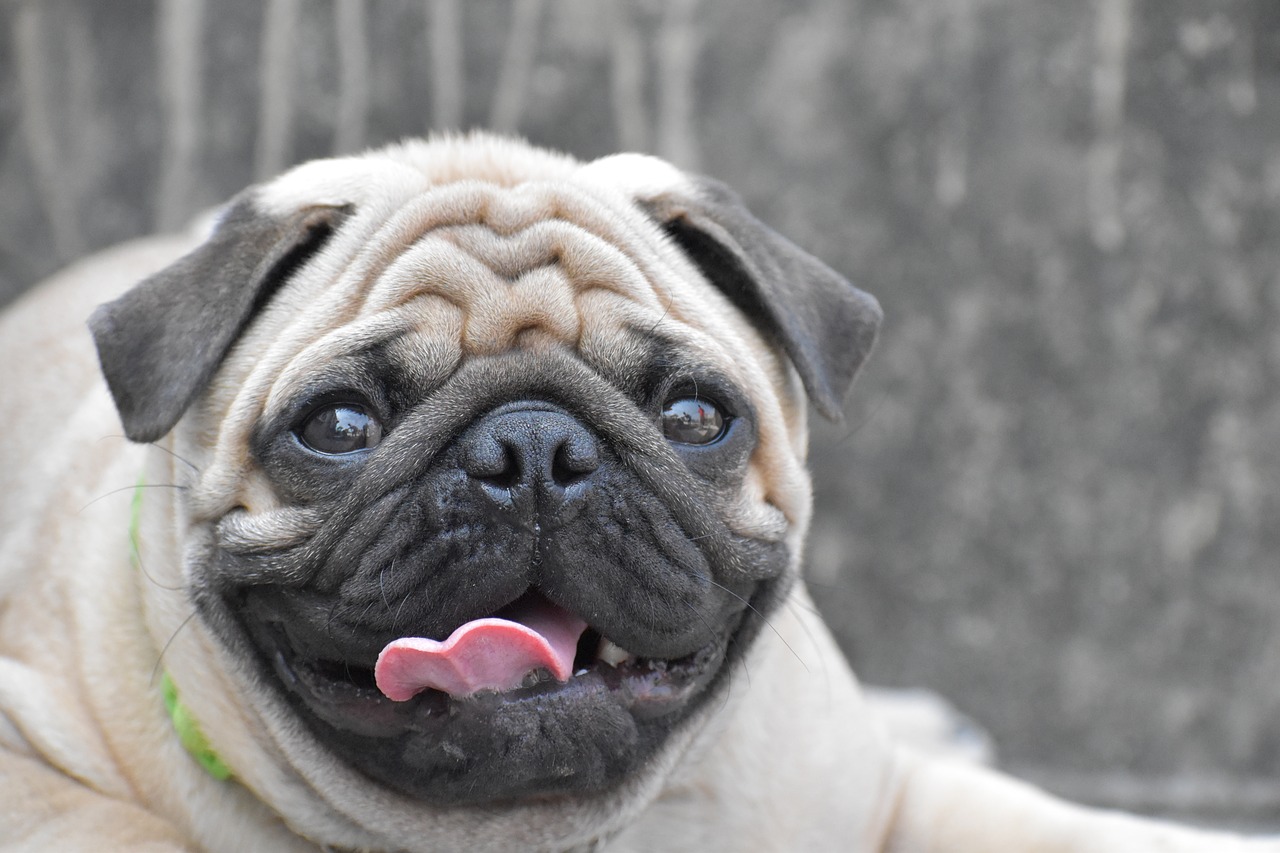
Who doesn’t love a pug? From their wrinkly faces to their curly tails, it’s clear that pugs are one of the cutest
breeds out there. Combine this with the pug’s can-do attitude and penchant for snuggling, and you’ve got the whole
kit and caboodle in one compact package. While pugs are, overall, a solid breed choice, there is one specific
downside to choosing a pug: a disease called degenerative myelopathy. Read on to find out more about pugs, DM, and
SeaPet omega-3 fish oils’ potential benefits for canine degenerative myelopathy in pugs.
Yes. Pugs are at higher risk for degenerative myelopathy (DM), a condition caused by a mutation in one of their
genes. DM is a progressive autoimmune disease in which the immune system attacks the sheath of the spinal cord. Dogs
usually first show signs in adulthood. Degenerative myelopathy first presents with muscle atrophy that worsens over
time and a loss of coordination. The wobbles typically begin in the hind limbs. This is caused by degeneration of
the nerves.
DM is not typically painful for dogs, but the disease will continue to progress until the dog is no longer able to
walk. The gait of dogs with degenerative myelopathy can be difficult to distinguish from the gait of dogs with
arthritis of other joints of the hind limbs, hip dysplasia, or intervertebral disc disease. As the disease
progresses, the pug may lose continence and the front legs may show signs of being affected as well.
Pugs with DM may fully lose the ability to walk anywhere from 6 months to 2 years after symptoms are first seen.
However, small breeds such as the pug progress through DM’s symptoms more slowly than larger breeds. Eventually, DM
will cause the dog to become paraplegic, and while some owners opt for a wheeled device for their dog’s hind limbs,
euthanasia is sometimes the kindest act.
Unfortunately, because DM is an inherited disease with no cure, you have limited options. Depending on how you came
to own your pug, it may be simple. If you went to a breeder, your pug’s parents should have been tested for the
mutation that causes DM, so the answer should be an easy “No.” If you came to own your pug through a
rescue, you may not be able to tell. Genetic testing can be done on dogs whose parentage is questionable, but the
results of the tests that are currently available are often unreliable.
There is no way to completely cure degenerative myelopathy. However, there are several natural treatments that may
help to slow the progression or relieve the pain of DM, including:
- Acupuncture
Acupuncture can be a very effective way of addressing severe cases of DM. Traditional acupuncture and
electroacupuncture are both options here.
- Hydrotherapy
Free swimming and underwater treadmill therapy are a safe way for pugs with DM to get exercise. The water takes the
dog’s weight off of joints, allowing for a better range of motion.
- Structured therapeutic exercise
Canine physical therapy can help with balance, flexibility, muscle tone, circulation, and more.
- Wheels
Some pug owners increase their pugs’ mobility and quality of life by fitting them with special wheeled carts.
- Nutrition
Adding supplements is a common way for owners to address DM in pugs. Omega-3 fish oils are one of the most often
recommended supplements.
A Note On Pharmaceuticals
There are not currently any pharmaceuticals on the market that are specifically designed to treat pug DM, but your
vet may prescribe anti-inflammatories that can reduce pain. Use these with caution. They can be quite effective in
reducing painful symptoms, but many prescribed medicines come with the risk of serious side effects. Use with
caution, and always consult your vet if you see any concerning behavior in your pug.
Mobility is Key
The most important element in all of these treatments is mobility. Keeping your pug moving freely is the best way to
slow the progression of degenerative myelopathy. The less your pug can move, the lower its quality of life will be.
Therefore, maintaining your pug’s mobility should be top of mind when considering your options.
Hydrotherapy and acupuncture are often effective ways of reducing the pain and progression of degenerative
myelopathy, but providers may be few and far between. Add to that the cost, and owners may feel stuck between a rock
and a hard place. Fortunately, there are more affordable (and effective) options.
While physical therapy and other treatments can be helpful, omega-3 fish oil is well-known for its anti-inflammatory
effects. They are rich in DHA and EPA, two important compounds that support brain health. These compounds increase
the production of vital neurotransmitters that are related to the spinal column, perhaps helping to slow the
disease.
Caveat Emptor: Fish Oils Aren’t All The Same
If you’re looking to treat pug DM, there’s no easier choice than adding fish oil to their daily diet. However, there
are a few things that you should be looking out for when you choose a fish oil for your pug. Read the labels! Some
fish oils are better than others.
For example, you’ll want to look for a fish oil that’s cold-pressed from small fish, like sardines and anchovies.
These fish are richer in DHA and EPA and contain lower levels of mercury. Cold-pressed fish oil means just that: the
oil is unheated when it’s produced, leaving more of the beneficial compounds intact and available. You’ll also want
to steer clear of any fish oils that have any ingredients other than fish oil — a certification from one of
the independent regulatory agencies like IFOS, USP, NSF International, or TGA can be a sign that you’re holding a
high-qualify fish oil.
Slowing The Progression of Canine Degenerative Myelopathy in Pugs
While there’s no way to cure DM in pugs, there are palliative measures to take. SeaPet offers one of the best treatments for Pug DM symptoms on the market:
our full line of fish oils. Whether you’re supplementing as a proactive measure or as a treatment for active DM,
we’ve got the right formula for you.