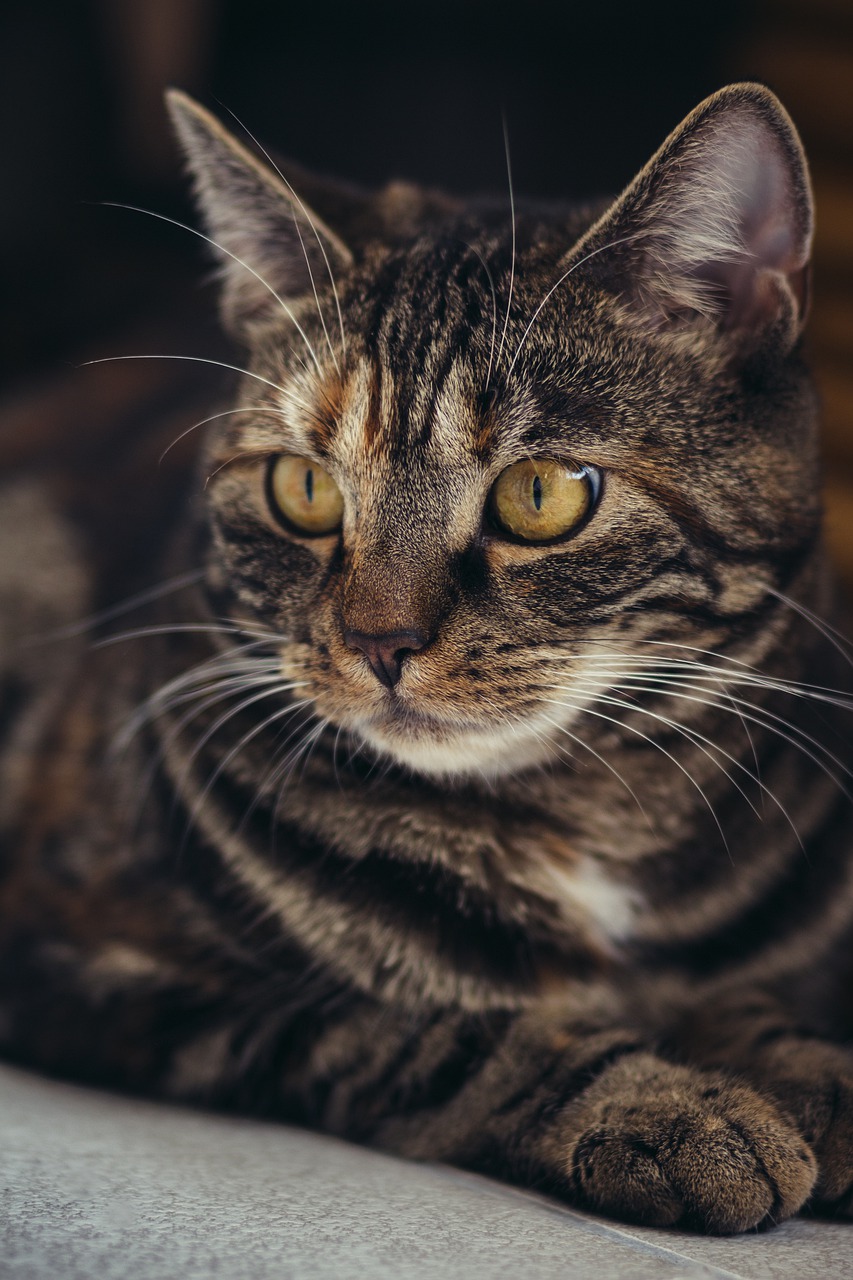
While we often think of cats as fairly independent animals with their own rhythms and imperturbable demeanors, cats can be prone to anxiety. Separation anxiety is the most common form of anxiety for cats. As with most forms of anxiety, the exact source is complicated and specific to each individual cat. In general, a change in routine in which they have to spend more time alone can be a factor, as can genetic factors and lifestyle disruptions. Of course, you want to help your cat have a peaceful, happy life. This makes understanding and treating your cat’s anxiety an essential aspect of their care.
Many people are turning to CBD for cats as a solution to separation anxiety. While cat anxiety medication has been the most common method for a long time, it can have side effects that are hard to deal with and can interact negatively with other medications. Not only that, but repeated trips to the vet in search of a medication that works for your cat can get expensive and frustrating. CBD for cat separation anxiety has minimal side effects and can be easily integrated into the dietary and medicinal regimen.
Signs of Cat Separation Anxiety
Understanding the signs of separation anxiety is key to properly diagnosing and treating cat anxiety as quickly as possible. The exact nature of each cat’s symptoms will vary, but there are certain behaviors that are fairly good signs of cat anxiety. In many cases, a cat will act out in unusual ways. This can include excessive vocalization. This is when a cat meows or cries consistently and for a long time. Often this only takes place when they are alone, so you might consider turning on a recorder when you leave if you are concerned about separation anxiety. Similarly, your cat might seem extremely excited or agitated when you return home. This is particularly noticeable in cats that were formerly much more even-keeled when their owner would return.
Some cats exhibit more destructive or extreme behaviors as a result of separation anxiety. One common form is urinating or defecating where they are not supposed to. Even a cat that was formerly well-trained with its litter box might have trouble going to the bathroom in the right place due to anxiety. In many cases, this can be on their owner’s bed.
Similarly, cats can vomit from anxiety. While cats are known for vomiting relatively often, however, anxiety-induced vomiting tends to take place when they are alone. Likewise, a cat might scratch or claw furniture or push things off of tables as a way to seek attention. This sort of behavior is more common in male cats.
Other behaviors you might see are overgrooming or eating changes. Excessive grooming tends to be more common in female cats. It can take place when the owner is home, as it is a behavior that is related to separation anxiety, but not immediately caused by the owner leaving. Overgrooming can have real health effects on your cat. Constant licking and lead to sores and hair loss. These areas can become irritated or infected, so it is important to address overgrooming, as well as the underlying separation anxiety, quickly. Similarly, some cats will either eat excessively or stop eating as a result of separation anxiety. Both of these conditions can have negative health effects.
What Causes Separation Anxiety in Cats?
Separation anxiety can be more common in certain breeds, like Burmese and Siamese. Additionally, cats that experience less-natural early months can have trouble with separation anxiety. Some of these circumstances can be early weaning or being orphaned. Cats bought from a pet store and cats who have lived strictly indoors can also be more prone to separation anxiety. One of the most significant causes can be a change in routine. These can include moving to a new home, a new owner, or a change to the owner’s schedule.
How to Help Your Cat with Anxiety
For years, the general opinion of how to calm a cat with anxiety was to use medication. There are a number of cat anxiety medications, and your cat’s vet can help you choose an option that works with their health goals and other medications. However, medications can have side effects that affect your cat’s mood, health, or energy level.
If you are curious about how to help your cat with anxiety without the effects of most medications, consider CBD. CBD is a natural supplement that has few side effects and can provide a gentle, effective cat anxiety treatment.
CBD for Cat Anxiety from SeaPet
The first question many people have is what exactly CBD for cats is. Extracted from the hemp plant, CBD is a non-psychoactive compound that interacts with the immune and nervous systems. This means that while it comes from the same plant as THC, it does not produce the “high” or the psychoactive effects associated with marijuana. Instead, it helps to calm cats and reduce levels of anxiety at the level of the nervous system. The data that is available demonstrates anxiety-reducing effects in animals ranging from horses to cats and dogs, as well as humans.
Because CBD oils from SeaPet are all-natural supplements, they provide cat anxiety treatment with minimal side effects. The few side effects that can appear include dry mouth, lowered blood pressure (which can be beneficial for some cats), and an upset stomach. Additionally, using CBD for cat anxiety interacts easily with other medications. It is important to look for oils that are not adulterated. While many CBD oils are mixed with other compounds, CBD oils from SeaPet are made from pure hemp extract and simple, organic coconut oil as a carrier oil. These oils are easy to combine with your cat’s food to make them easy to administer.
If you are concerned about how to calm your cat with anxiety, consider CBD extracts from SeaPet. Carefully inspected and manufactured, CBD for cat anxiety is a safe, effective way to help your cat manage separation.
Image Credit:
https://pixabay.com/photos/cat-pet-feline-animal-fur-kitty-3523992/