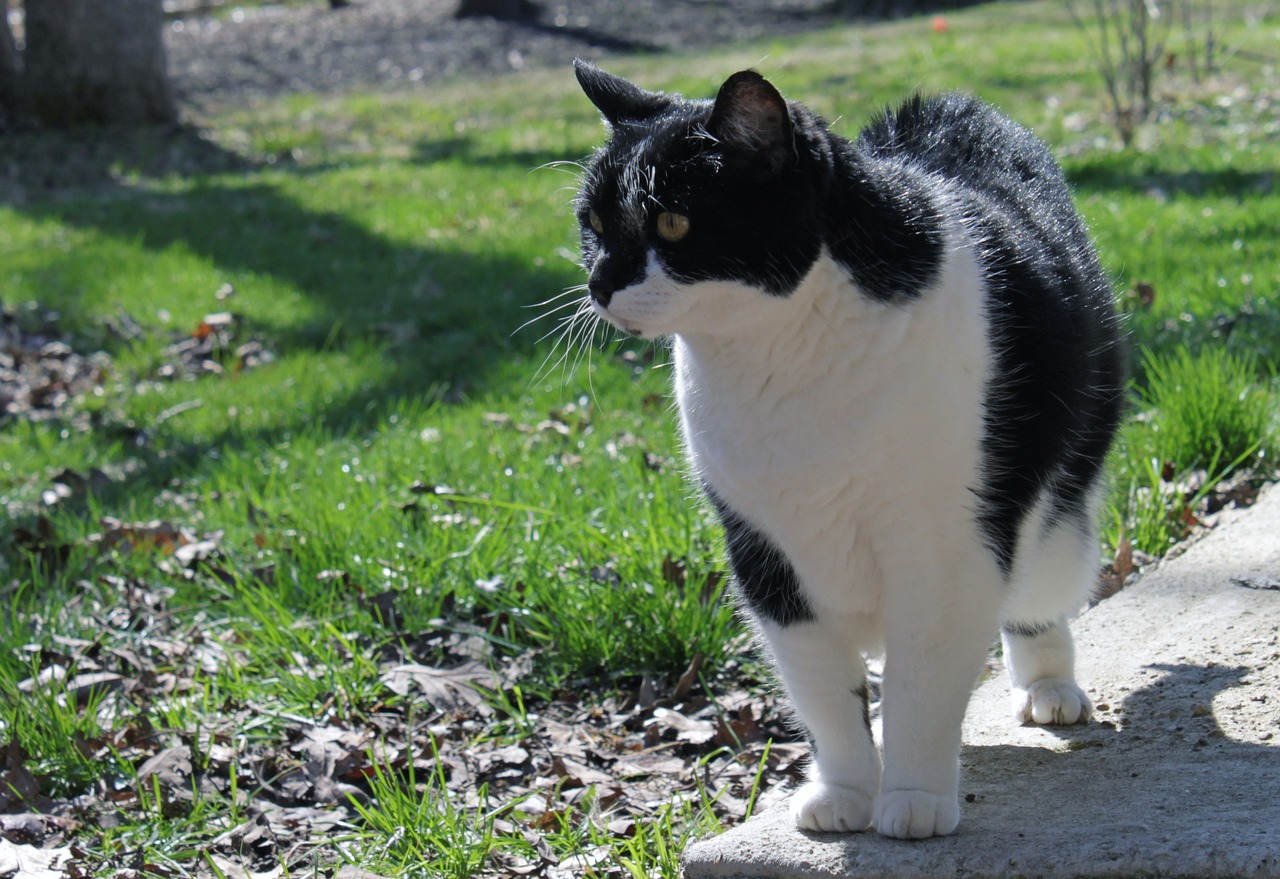
You may already be familiar with the benefits of omega-3 fatty acids, but supplementing your cat’s diet with them might be a new idea entirely! Omega-3s are essential fatty acids that are not produced naturally by your cat, so they must be obtained from food and supplements. That’s why many owners choose to give their cats fish oils rich in omega-3s that provide benefits from nose to tail.
In cats, omega-3 fatty acids have been shown to be beneficial for heart health in a number of ways. For example, a study by the NIH found that cats with heart failure who were supplemented with omega-3 fatty acids had improved heart function and a reduced risk of death. Another study found that cats with hypertrophic cardiomyopathy (HCM), a type of heart disease, who were supplemented with omega-3 fatty acids had reduced inflammation and improved heart function.
Great cardiovascular health goes a long way
Keeping your cat’s cardiovascular function in tip-top shape is vital. Good cardiovascular health is important for cats for many reasons. After all, a healthy heart is essential for pumping blood throughout the body and delivering oxygen and nutrients to all organs and tissues.
While heart disease is a leading cause of death in cats, maintaining good cardiovascular health can help reduce your cat’s risk of developing heart disease. Good cardiovascular health is linked to overall health and well-being. Cats with good cardiovascular health tend to be more active and have more energy. They are also less likely to develop other health problems, such as diabetes and arthritis.
Finally, cats with good cardiovascular health tend to live longer than cats with poor cardiovascular health. And of course, we want to keep our loved ones with us and healthy as long as possible!
There’s a lot to learn about cardiovascular health in cats, and just how we can best support our cats’ good health. Let’s get started.
What are some common cardiovascular problems affecting cats?
Unfortunately, there are a number of cardiovascular problems that can affect cats. Some of the most common include:
- Hypertrophic cardiomyopathy (HCM): HCM is a condition in which the heart muscle thickens. This can make it difficult for the heart to pump blood effectively. HCM is the most common heart disease in cats.
- Dilated cardiomyopathy (DCM): DCM is a condition in which the heart muscle weakens and stretches. This also makes it difficult for the heart to pump blood effectively. DCM is less common than HCM, but the breed of cat you have may affect its frequency. For example, DCM is more common in Maine Coons and Ragdolls.
- Heart valve disease: Heart valve disease occurs when the valves of the heart become leaky or narrowed. This interferes with the normal flow of blood through the heart. Feline heart valve disease is less common than HCM and DCM, but it can be serious.
- Arrhythmias: Arrhythmias are simply irregular heartbeats. They can be caused by a number of factors, including HCM, DCM, and other heart diseases. Arrhythmias can be serious and can lead to sudden death.
- Cardiomyopathy secondary to other diseases: There are other diseases, such as hyperthyroidism and hypertension, that can also affect the heart. These diseases can lead to changes in the heart muscle or valves that can lead to heart failure.
If you are concerned that your cat may have a cardiovascular problem, it is important to see a veterinarian for a diagnosis. There are a wide variety of tests that can be performed to definitively diagnose heart disease in cats. Some common diagnostic methods include echocardiograms, electrocardiograms, and blood tests. With early diagnosis and treatment, many cats with cardiovascular problems can live long and healthy lives, especially with diets carefully calibrated for optimum nutrition.
What do the experts say about omega-3s and cardiovascular health in cats?
Scientific studies have shown that omega-3 fish oil is effective in supporting cardiovascular health in cats. In fact, a study published in the Journal of Veterinary Cardiology in 2015 found that cats with heart failure who were supplemented with omega-3 fish oil had improved heart function and a reduced risk of death. The study included 50 cats with heart failure, and the cats were randomly assigned to receive either omega-3 fish oil or a placebo. The cats who received omega-3 fish oil had a significantly lower risk of death than the cats who received the placebo.
Still, additional research is needed to confirm the benefits of omega-3 fish oil for cardiovascular health in cats. The studies that have been done so far have been small and short-term. Extended research should be performed in order to determine the long-term effects of omega-3 fish oil on cardiovascular health in cats.
What are the most popular ways owners strive to keep their cat’s heart healthy?
There are many things you can do to help maintain your cat’s good cardiovascular health, and you probably already do at least one of them! Here’s a short checklist of things you can do for your cat’s cardiovascular health.
- Feed a healthy diet: A well-rounded diet is essential for good cardiovascular health. Choose food that is low in fat and sodium and high in fiber — and tasty.
- Keep your cat at a healthy weight: Feline obesity is a major risk factor for heart disease in cats. By keeping your cat at a healthy weight, you can help reduce their risk of developing heart disease.
- Encourage regular exercise: Exercise is important for maintaining good cardiovascular health in cats. Aim for at least 30 minutes of activity each day, whether that’s playing with a laser, getting your cat to fetch, or another activity your cat enjoys.
- Avoid smoking: Smoking tobacco or cannabis is harmful to both cats and humans. If you smoke, avoid smoking around your cat.
- Get regular veterinary checkups: Routine veterinary exams allow your veterinarian to monitor your cat’s health so they can catch any potential problems early.
- Supplement your cat’s diet: Supercharging your pet’s meals with omega-3-rich supplements is perhaps the easiest way you can give your cat’s heart the support it deserves.
Why use omega-3 supplements for heart health?
Omega-3 fatty acids are one of the most efficient and effective ways to get your cat the health boost they need. Omega-3 supplements, particularly fish oils, have a number of beneficial effects on cardiovascular health, including:
- A reduction in inflammation: Inflammation is a natural immune response that helps the body fight infection and heal injuries. However, chronic inflammation can damage the body’s tissues and organs, including the heart. Omega-3 fatty acids have been shown to reduce inflammation by acting as an anti-inflammatory.
- Improving blood flow: Omega-3 fatty acids may help improve blood flow by reducing the “stickiness” of blood cells. This helps to prevent blood clots from forming, which can block blood vessels and lead to a heart attack or a stroke.
- Protecting the heart: Omega-3 fatty acids can help protect the heart from damage by reducing oxidative stress and inflammation. Oxidative stress occurs when there is an imbalance between the production of free radicals and the body’s ability to remove them. Free radicals are unstable molecules that can damage cells and tissues.
- Reducing triglycerides: Triglycerides are a type of fat that can build up in the blood and increase the risk of heart disease. Omega-3 fatty acids can help reduce triglyceride levels by speeding the breakdown of triglycerides and helping to prevent the production of new triglycerides.
- Preventing arrhythmias: Arrhythmias are irregular heartbeats that can be caused by a variety of factors, including heart disease, electrolyte imbalances, and medications. Omega-3 fatty acids can help prevent arrhythmias by reducing inflammation and improving heart function.
What are some good sources of omega-3 fatty acids?
If you are feeding your cat commercial cat food, it is important to check the label to see if it contains omega-3 fatty acids. Many commercial cat foods are now fortified with omega-3 fatty acids. However, if your cat’s food does not contain omega-3 fatty acids, you may want to incorporate one of the suggestions below:
Fish oil is the most concentrated source of omega-3 fatty acids. It is derived from the oils of cold-water fish, such as salmon, mackerel, tuna, and sardines. Fish oil contains the two most important omega-3 fatty acids: eicosapentaenoic acid (EPA) and docosahexaenoic acid (DHA). EPA and DHA are essential for cats, as they cannot produce them on their own.
Flaxseed oil is a good source of alpha-linolenic acid (ALA), which is an omega-3 fatty acid that can be converted into EPA and DHA by the body. However, the conversion rate is not very efficient, so flaxseed oil is seen as a lesser source of EPA and DHA than fish oil.
Some whole foods also contain omega-3 fatty acids. However, the omega-3s are typically not as concentrated as fish oil or flaxseed oil, and you must take care that the whole foods you’re feeding are cat-safe.
Additional foods that are good sources of omega-3 fatty acids for cats include fish like salmon, mackerel, tuna, sardines, herring, and anchovies; walnuts and chia seeds; dark green veggies like kale and spinach soybeans and edamame; and canola and soybean oils.
The recommended daily intake of omega-3 fatty acids for cats is 250-500 mg per day. This can be obtained from a variety of sources, including all those listed above (and more). It is important to talk to your veterinarian before giving your cat any supplements, as too much omega-3 can also be harmful.
How to give your cat omega-3 fish oils
Omega-3 fatty acids are an important part of a healthy cat diet. As you’ll learn, omega-3s can not only help to improve heart health but also cognitive function and skin and coat health. And fish oil is one of the easiest supplements you can add to your cat’s diet. Its naturally fishy taste is appealing to cats, so there’s no struggling with messy applicators or difficult-to-swallow pills.
If your cat is taking any other medications, talk to your veterinarian before giving them omega-3 fatty acids. After establishing that fish oil is A-OK for your cat, you’ll want to start with a small amount and gradually increase the dose over time. Give the omega-3 fatty acids with food to help prevent stomach upset. If adverse reactions occur, stop giving your cat fish oil and check with your vet for alternatives.
What are some other benefits of giving your cat fish oil?
In addition to its cardiovascular benefits, supplementing your cat’s diet with fish oil can provide your pets with many other potential benefits. Here are five additional benefits of omega-3 fish oils:
- Improved skin and coat health: Fish oils with omega-3 fatty acids can help to improve skin and coat health. They reduce inflammation and promote moisture retention. This is because omega-3 fatty acids can reduce the production of inflammatory substances in the body. Fish oils also help to keep the skin and coat hydrated by attracting water molecules. As a result, omega-3 fatty acids are often used to reduce cats’ dry, flaky skin and improve the shine and smoothness of the coat.
- Reduced inflammation: Inflammation is a natural, normal immune response that aids the body in fighting infection and healing injuries. However, chronic inflammation can damage the body’s tissues and organs, including the skin, joints, and brain. Omega-3 fatty acids can help to reduce inflammation by suppressing the production of inflammatory chemicals.
- Improved cognitive function: Omega-3 fatty acids are important for brain development and function for cats of all ages, from tiny kittens to senior cats. They are especially important for the development of the hippocampus, a region of the brain that is involved in learning and memory. They may also help to protect the brain from damage caused by aging and disease. And omega-3 fatty acids may help to improve cognitive function in cats by increasing the production of new brain cells and synapses.
- Better eye health: Omega-3 fatty acids are critical to good eye health. They are especially important for the development of the retina, the light-sensitive tissue at the back of the eye. Omega-3 fatty acids may also help to promote eye health by reducing the risk of age-related macular degeneration and other common eye problems.
- Reduced risk of cancer: Some studies have shown that omega-3 fatty acids may help to reduce the risk of cancer in cats. Omega-3 fatty acids may help to reduce the risk of cancer by suppressing the growth of cancer cells and by promoting the death of cancer cells. However, more research is needed to confirm these findings.
What should I look for when buying omega-3 fish oil for my cat?
Inferior fish oil supplements can come along with some serious side effects. That’s why you should take the time to do your research, read labels, and ask the experts. Here are a few of the most important things to look for when buying a fish oil supplement for cats:
The source
The best fish oil supplements are made from cold-water fish, such as salmon, mackerel, tuna, and sardines. These fish are lower in mercury and other heavy metals than other fish.
The concentration of EPA and DHA
A sufficient amount of EPA and DHA within the fish oil supplement is essential. DHA and EPA are the two most important omega-3 fatty acids for cats. Look for a supplement that contains at least 1000 mg of EPA and DHA per serving.
The form
Fish oil can be found in two forms: triglyceride and ethyl ester. Triglyceride is the natural form of fish oil and is the most easily absorbed by the body. Ethyl ester is a synthetic form of fish oil that is less expensive, but it is not as easily absorbed by the body, so try to opt for a triglyceride fish oil.
The freshness
Fish oil can go rancid quickly, so it is important to buy a supplement that is fresh. Look for a supplement that has been manufactured recently and that is stored in a cool, dark place.
The purity
Low-quality fish oil is often contaminated with mercury and other heavy metals. Avoid these toxins by seeking out a supplement that has been third-party tested for contaminants and that is certified as safe for cats.
The price
Fish oil supplements can vary in price, but don’t be swayed by the first bargain you see. It is important to find an affordable supplement that also meets the other criteria listed above.
SeaPet: Your source for the best fish oils for feline cardiovascular health
Discerning owners know: SeaPet’s the source you can trust when it comes to pet health supplements. Our line of fish oils is unparalleled, with a wide range for you to choose from so you can give your cat the right fish oil for them. Why pick SeaPet? Well:
- We use high-quality ingredients: Our omega-3 fish oils are made from cold-water fish that are low in mercury and other contaminants. We also use a gentle extraction process that preserves the nutrients in the fish oil.
- Our fish oils are fresh: We manufacture our fish oils in small batches and store them in a cool, dark place to preserve freshness.
- Our fish oils are tested for purity and potency: We test our fish oils for purity and potency to ensure that they meet our high standards.
- We offer a money-back guarantee: We are confident that you will be satisfied with our omega-3 fish oils. If you are not happy with them, simply return them for a full refund.
If you are looking for a high-quality, ocean-fresh, and thoroughly tested omega-3 fish oil for your cat, then SeaPet is hands-down the best place to buy it. We are confident that you will be satisfied with our products and our service. Take care of your cat’s heart — the way they do for you. Increase your cat’s cardiovascular health and pick up a high-quality fish oil today.
Image by
Mary Pahlke from
Pixabay