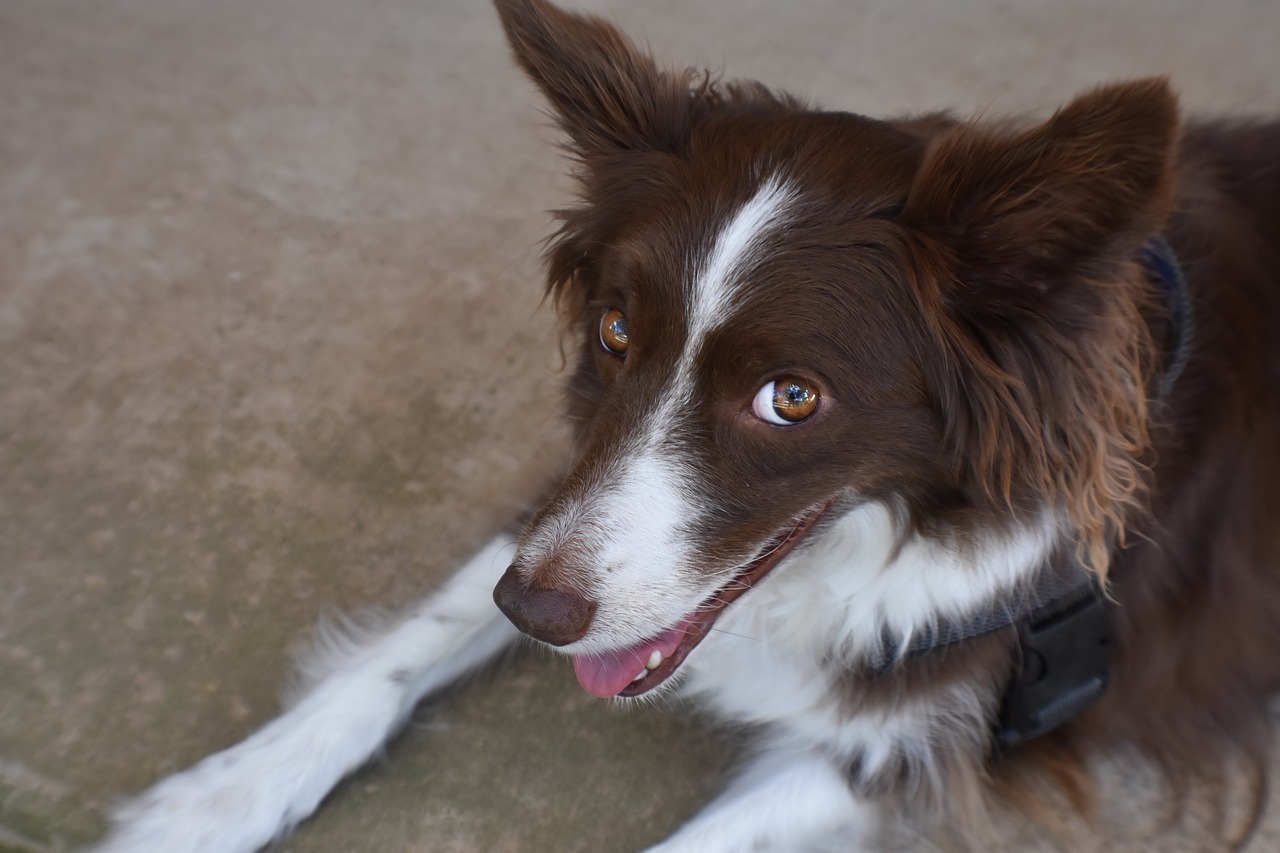
As one of the most playful, expressive breeds around, Border Collies make wonderful members of a family. They have tons of energy and are able to adapt easily to new situations. With their endurance and intelligence, they are great for herding and other work environments. However, for all their wonderful breed characteristics, Border Collies can be susceptible to epilepsy. Generally, Border Collie epilepsy is idiopathic epilepsy, a disorder of the central nervous system that leads to seizures. While there appears to be a genetic component, it can be difficult to diagnose unless symptoms are present. In some cases, canine epilepsy can also be a result of abnormal brain development as well.
Witnessing your Border Collie’s seizures can be very troubling, and it can cause you to feel helpless. However, there are steps you can take to reduce the severity and frequency of seizures. While there is no cure for Border Collie epilepsy, supplements like CBD Broad Spectrum Hemp Extracts from SeaPet can go a way toward improving your dog’s quality of life and health.
What causes a Border Collie to have seizures?
In simple terms, Border Collie seizures are a result of neurons in the brain that fire rapidly and lead to involuntary muscle spasms. However, the source of this neurological behavior is far more difficult to pinpoint. While it seems that there is a genetic component to Border Collie seizures, there is no test to determine whether a dog has epilepsy.
To diagnose Border Collie epilepsy, a vet will do a range of tests, including X-Rays, MRIs, or blood tests, and examine the dog’s medical history. If they don’t find evidence of a toxin, a problem with the dog’s blood or kidneys, or other clear causes, the most likely diagnosis will be hereditary epilepsy. Tumors can also lead to Border Collie seizures.
Signs of a Border Collie seizure
There are two types of seizures in Border Collies. Generalized seizures affect the whole body, whereas focal seizures occur in only one or two areas of the body, such as the eyes or facial muscles. In the case of many focal seizures, the dog’s owner is not aware that they take place. Generalized seizures can involve the dog’s body going rigid, convulsing, or both at various points. During these seizures, dogs can lose control of their bladder or bowels as well. There are also seizures that are described as primary focal, secondary generalized. In these cases, the seizure begins in one area before progressing to the entire body.
Before a seizure starts, dogs commonly exhibit warning signs. They can appear agitated or show a desire to be close to their owner. They may also be more aggressive or have physical responses such as vomiting or drooling. While recognizing the signs does not help you stop the signs of a seizure, it can keep you from being taken by surprise. You can try to find a safe place for a seizure to take place, and you can prepare towels or other absorbent materials if you know that your Border Collie tends to be incontinent during seizures.
Treatments for Border Collie epilepsy
There are a few main options for Border Collies with epilepsy: Dietary changes, medications like phenobarbital, and supplements. There are benefits and limits to each option, and choosing the best course for your particular dog requires understanding the severity of their condition and their needs.
Dietary changes, such as a keto diet, can be effective for Border Collie epilepsy. By reducing their intake of carbohydrates and focusing on medium-chain triglycerides, your dog could see a reduction in both the severity and frequency of seizures. If this is an option you pursue, make sure to discuss your plans with your dog’s veterinarian to make sure that they are able to get all of the nutrients they need.
Phenobarbital is the most common anti-seizure medication, and it can be used for dogs as well. Dogs tend to tolerate it fairly well, but Border Collies in particular can be a bit more drug-resistant. Phenobarbital is intended to calm the nervous system, so giving it to your Border Collie might cause them to have lower energy. Additionally, it can lead to anemia or liver problems. Dogs that take phenobarbital need regular blood tests to make sure that their liver and kidneys are functioning properly.
For more severe cases of Border Collie epilepsy, there are stronger anticonvulsants that are available. Also, it might be necessary to sedate a dog with severe epilepsy to avoid brain damage that can occur during extended seizures.
Many dog owners have found that supplements have a positive effect on their pet’s epilepsy. Oils like coconut oil or fish oil have nutrients that are vital for any dog, such as medium-chain triglycerides and fatty acids like EPA and DHA. CBD extracts can also provide valuable assistance for Border Collie epilepsy.
How CBD can help with Border Collie epilepsy
The “C” in CBD stands for cannabidiol, one of the compounds in hemp. While from the same plant that marijuana comes from, CBD does not contain THC, which is the source of the “high” and psychoactive effects. It has few other side effects, although some dogs exhibit lower energy or increased hunger or thirst.
CBD is an excellent choice to address the symptoms of Border Collie seizures. By interacting with key neurotransmitters that are connected to Border Collie epilepsy, CBD extracts may reduce or even prevent some types of seizures. These extracts also interact well with other anti-seizure or epilepsy medications. In fact, they can increase the effectiveness of other medications due to their broad-spectrum health benefits as well as their neurological support. As with any medication or supplement, talk with your dog’s veterinarian before giving CBD extracts to your dog.
When you trust SeaPet as your source for CBD oils, you can be confident that you are getting oils of the highest quality. We carefully inspect each bottle to ensure that it is free of toxins or additives. We know how hard it can be to see your Border Collie experience seizures, but CBD Broad Spectrum Hemp Extracts from SeaPet offer safe, simple assistance for their symptoms.
Image credit: https://pixabay.com/photos/border-collie-dog-pet-animal-7471127/