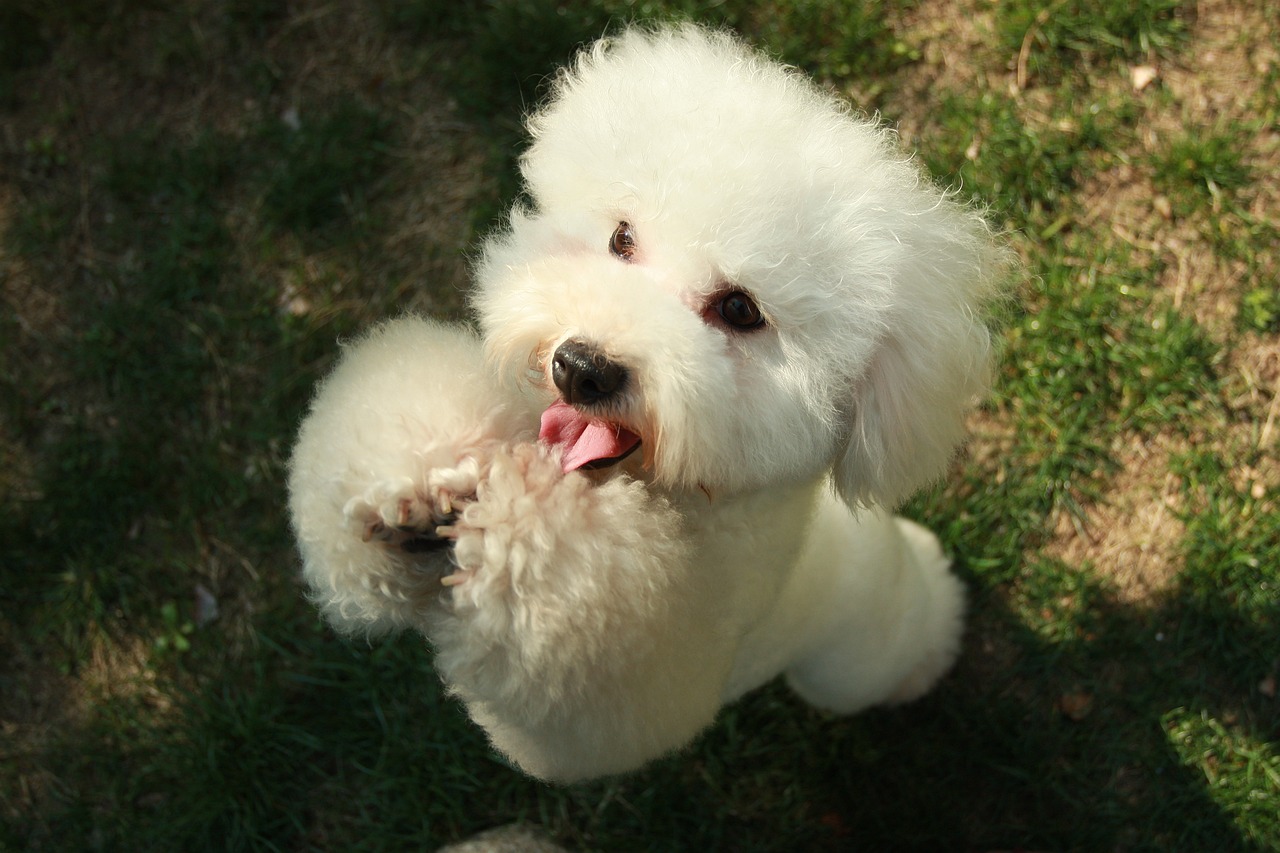
When people think “poodle”, nine times out of ten they’re picturing a dainty, high-maintenance show dog. But while judges want to see an example of an ideal poodle, you’re probably not planning to keep up a specialty cut by putting hours into poodle coat care every day. However, choosing a low(er)-maintenance cut doesn’t get you out of grooming altogether. Poodles are well known as dogs with an extensive grooming regimen, even when they’re not sporting the classic Continental Groom.
Many breeds, including poodles, are more likely to have certain skin and coat conditions. This can lead to dullness and dryness in the coat itself and itchy, flaky skin. A poodle’s coat is also prone to developing tangles and mats, so proper poodle coat care is essential. But how do you care for a poodle’s tight, curly coat? One way is to tackle it from the inside out with SeaPet’s omega-3 fish oils. But let’s begin at the beginning! Read on to learn more about what to do and how supplements can help you achieve the coat of your dreams.
Facts about poodle coat care
Poodles are renowned for their distinct coats, which come in various textures and styles. Whether you’re considering adopting a poodle or already have one, understanding the unique characteristics of their coats is essential for proper grooming and care. Here’s what you should know about a poodle’s coat:
It’s hypoallergenic
Poodles are often considered hypoallergenic, meaning they produce fewer allergens than other dog breeds. This makes them a popular choice for individuals with allergies. However, it’s important to note that no dog is completely hypoallergenic, as allergies can still vary from person to person.
It’s dense
Poodles have a dense, curly coat that sets them apart. This coat type helps protect them from water, making them excellent swimmers. Their tightly curled hair also prevents shedding, which contributes to their hypoallergenic reputation.
There are several different varieties
Poodles come in three recognized sizes: Standard, Miniature, and Toy. Each size has a slightly different coat texture:
- Standard Poodles: Their coats are dense and curly, often forming tight ringlets. The coat is coarser than that of Miniature and Toy poodles.
- Miniature Poodles: These poodles have a slightly finer coat texture compared to the Standard variety, but it’s still curly and dense.
- Toy Poodles: Toy poodles have a soft and fine coat, and their curls may be looser compared to the other sizes.
Different colors
Poodles come in a wide range of coat colors, including white, black, brown, silver, apricot, and red. Some poodles even have parti-color coats, featuring two or more distinct colors.
It often takes a pro to clip and style
Poodles are often associated with elaborate grooming styles, such as the “puppy clip,” “continental clip,” and “English saddle clip.” These grooming styles involve trimming the hair on different parts of the body to achieve specific looks. Groomers often use clippers and scissors to create intricate patterns that highlight the poodle’s distinctive coat texture.
Baths are a must
Regular baths are essential to keep a poodle’s coat clean and free from dirt and debris. Use a mild dog shampoo and ensure thorough rinsing to prevent skin irritation. After bathing, it’s crucial to fully dry the coat to prevent moisture-related skin issues. A professional dryer or a low-heat blow dryer can be helpful, especially for a poodle’s dense coat.
Don’t neglect eye and ear care
Poodles are prone to tear staining, which can leave reddish-brown streaks around their eyes. Regularly cleaning around the eyes with a damp cloth can help prevent staining. Additionally, poodles’ floppy ears are susceptible to infections, so make sure to keep their ears clean and dry, and trim hair around the ear canal to improve airflow.
A poodle’s coat is a defining feature that requires specialized care and attention. Understanding their coat type, grooming needs, and regular maintenance will help you ensure that your poodle’s coat remains healthy, beautiful, and comfortable throughout their life. With the right care, you’ll be able to enjoy the poodle’s iconic curly coat and unique personality to the fullest.
What are some of the most common poodle coat problems?
Two of the most common causes of poodle coat issues are allergies and parasites, both of which are generally easy to address at home, either with vet-prescribed products or over-the-counter remedies.
Allergies can be contact-based (from shampoo, certain fibers, plants) or food-based (commercial dog food additives are one of the biggest culprits here). Allergies most often manifest themselves as skin and coat problems, causing bald patches, a dull coat, and itching so severe it can lead to hair loss and the formation of scabs and wounds. If this is the case, a vet can help you determine what type of allergy your poodle has and how to treat it properly.
Speaking of itching, parasites are also widely known to cause irritated skin that leads to itching. Severe cases can open wounds and cause patchy, bald spots. Flea and tick problems can be dealt with at home, with special shampoos and flea medication, but if there are open sores or excessive irritation, you’ll need to consult with your vet.
A word of caution: not all skin and coat problems can be addressed with grooming. A change in the coat can also be an indicator of more serious underlying conditions. Be sure to rule out any hidden causes with a visit to your vet.
What’s involved in poodle coat care?
In a few words: a lot. The texture of a poodle’s coat makes near-daily brushing imperative.
Instead of fur, poodles have hair. They’re often considered a non-shedding breed, but this is false: the poodle’s tight coat holds loose hair in, which is why poodles need to be brushed, combed, and groomed on a regular schedule. There are many steps to proper poodle coat care, beginning with a professional cut to get you started off on the right foot.
Once your poodle’s all trimmed up, you can start brushing and combing your poodle; if not daily, then at least three to four times a week. Their tight, curly coats can quickly become tangled, so it’s very important to make sure they’re absolutely tangle-free. To do this, you’ll need a comb and two brushes: a slicker brush and a bristle brush.
How to brush a poodle’s coat
In addition to warding off poodle coat problems, daily brushing can be a bonding time between you and your dog. Start with the slicker brush. Its short and skinny wire teeth target the undercoat. The slicker brush removes tangles, dead hair, and any foreign matter from the undercoat. Follow up with the bristle brush to detangle and smooth the outer hairs. Once you think you’re done, comb your poodle’s coat. This will reveal any missed tangles or hidden mats.
On most days, this daily brushing routine will suffice. On others, you may need to bring in reinforcements in the form of electric clippers and scissors. These two items can help you tackle mats and trim around sensitive areas like the face and tail.
However, getting your dog used to the noise and vibration of the clippers can take some time. When you first introduce the clippers to your dog, don’t expect to do any clipping. Allowing your dog to become accustomed to the noise and feel of the clippers gradually (and with the help of plenty of treats) can greatly ease the grooming process.
What about baths, you ask? Most dogs don’t need frequent baths — once every month or two is sufficient unless they roll in something stinky or otherwise get dirty. Don’t overdo it. Bathing your poodle too frequently can strip the skin of the natural oils needed to keep your poodle’s skin and coat supple and flake-free.
How to make a poodle’s coat shiny
If, during grooming, you notice flakes or dullness, you may try to tackle it from the exterior. Creams and shampoos sometimes work to replace missing natural oils, but they wear off easily and could even make the problem worse. What’s an owner to do?
Enter omega-3-rich fish oil for dogs. Omega-3 fatty acid supplements can help to make your poodle coat problems a thing of the past. Because dogs can’t produce omega-3s naturally, supplementing their diets can be a great way to provide your dog with the fatty acids needed to maintain a shiny coat and smooth, supple skin.
Omega-3 fish oils are a valuable supplement that can greatly benefit the health and well-being of poodles. Just as these oils are beneficial for humans, they offer a range of advantages for dogs, including poodles. Here’s why incorporating omega-3 fish oils into a poodle’s diet can be a wise decision for both coat care and overall health:
- Omega-3 fish oils promote healthy skin and coat
Omega-3 fatty acids, specifically EPA (eicosapentaenoic acid) and DHA (docosahexaenoic acid), are essential for maintaining healthy skin and a glossy coat. Poodles, with their unique curly coats, can be prone to dry skin and coat issues. Omega-3s help combat inflammation and itchiness, leading to improved skin health and a shinier, softer coat.
- Omega-3 fish oils can help to reduce inflammation
Omega-3 fatty acids are well-known for their anti-inflammatory properties. Inflammation can contribute to various health issues, such as joint pain, arthritis, and allergies. By incorporating omega-3s into a poodle’s diet, you can help mitigate inflammation, leading to improved joint health and overall comfort.
- Omega-3s support strong cardiovascular health
Good heart health is crucial for your poodle’s overall well-being. Omega-3 fatty acids are believed to help maintain a healthy heart by reducing the risk of heart disease, regulating blood pressure, and supporting proper circulation.
- Omega-3 fish oils can enhance cognitive function
Omega-3s are also believed to support cognitive function and brain health. By including these fatty acids in a poodle’s diet, you may contribute to better cognitive development, improved memory, and enhanced learning abilities.
- Omega-3s can boost the immune system
A robust immune system is essential for a dog’s ability to fight off infections and illnesses. Omega-3 fatty acids can strengthen a poodle’s immune response, helping them stay healthier and more resistant to common ailments.
- Omega-3 fish oils support joint health
Joint health is a concern for many poodle owners, especially as they age. Omega-3s possess natural anti-inflammatory properties that can help reduce joint pain and stiffness, potentially improving mobility and overall comfort.
- Omega-3s aid in allergy management
Poodles can be susceptible to allergies, including skin allergies and food sensitivities. Omega-3s’ anti-inflammatory effects can help alleviate the symptoms of allergies, providing relief from itching, redness, and discomfort.
- Omega-3s are beneficial for eye health
Omega-3s are beneficial for eye health and may contribute to maintaining good vision. Incorporating these fatty acids into a poodle’s diet could potentially help support eye health as they age.
When adding omega-3 fish oils to your poodle’s diet, it’s important to choose a high-quality supplement specifically designed for dogs. Consult your veterinarian before introducing any new supplement, and follow their recommended dosage instructions to ensure the optimal health and well-being of your poodle.
Boost your poodle coat care with omega-3 fish oils from SeaPet
Omega-3 fish oils offer a range of benefits that can significantly improve a poodle’s quality of life. From supporting skin and coat health to enhancing cognitive function and reducing inflammation, these fatty acids play a crucial role in promoting overall vitality. By incorporating omega-3 fish oils into your poodle’s diet, you’re investing in their long-term health and well-being, ensuring they lead a happy and comfortable life.
Although poodles are a true commitment, owners say that the breed is well worth it. Support your dog’s coat and skin health from the inside out and kick poodle coat problems to the curb by using a selection from SeaPet’s line of omega-3 fish oils. Unlike the hours you spend brushing, all you need to do is mix this veterinarian-endorsed supplement into your pood’s food. It’s a fast, easy, and effective way of providing your dog with the omega-3s they need to shine. To experience the improvement in your poodle’s coat today, pick up one of the best (and easiest) ways to make a poodle’s coat shiny at SeaPet.
Image by MISS_SUMMER from Pixabay