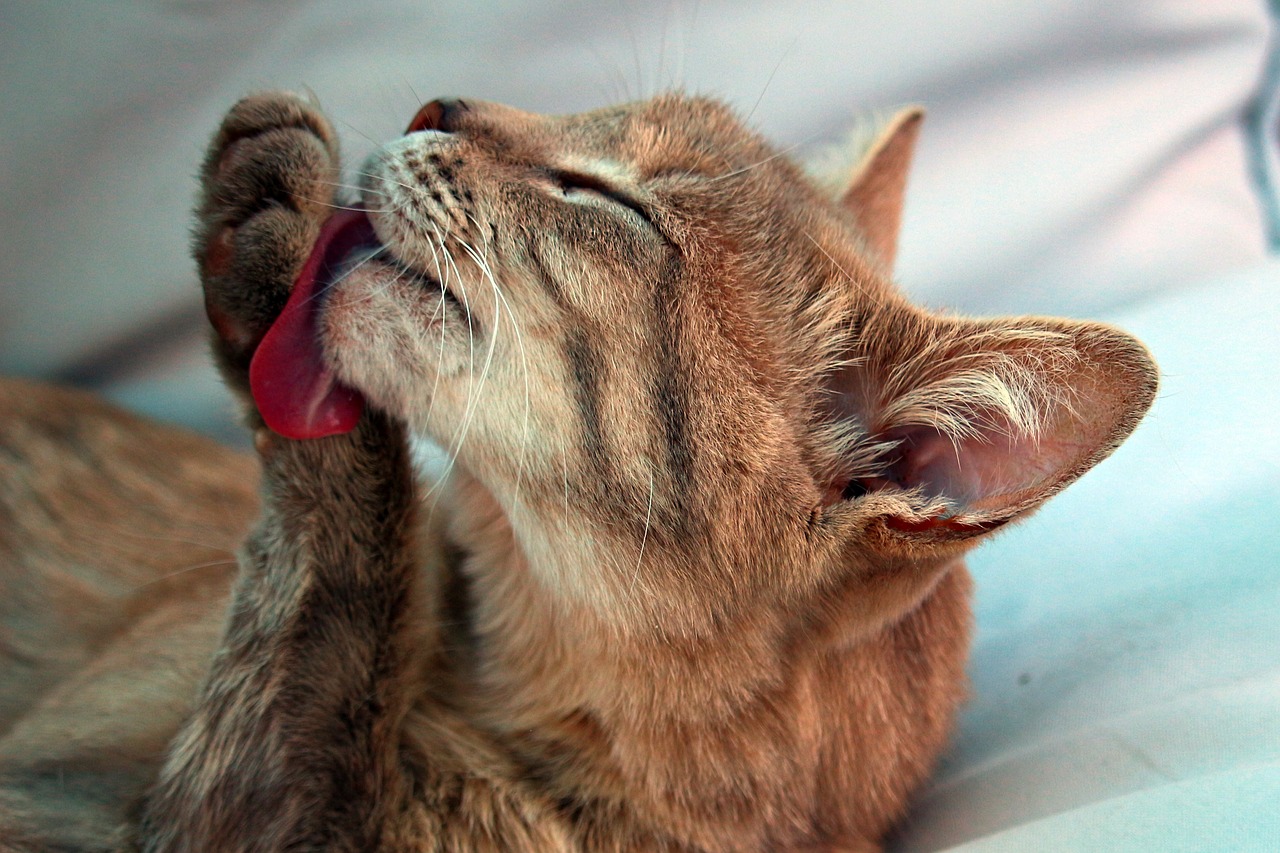
Owning a cat can be a great experience. Playful, mischievous, and adorable, cats of all shapes, colors, and sizes can brighten a home. While they can be a joy to own, cats also can have health needs that are important to address for their quality of life. One of the most common cat ailments is dry or scaly skin. In addition to being rather uncomfortable for a cat, dryness and dandruff can be symptoms of other health concerns. Taking dry skin seriously can improve your cat’s quality of life by ensuring that they get the care they need.
If your cat has skin problems, finding the right cat dry skin remedy can be a challenge. There are numerous options you can choose from, and buying home remedies for a cat’s dry skin can be an effective way to treat their condition. Omega-3 oils from SeaPet are high-quality oils that can help to alleviate the symptoms of dry skin in cats while offering several additional nutritional benefits.
It can be difficult to see your cat struggling with the discomfort of dry skin, and finding a remedy that works for them can be a frustrating, expensive process. Luckily, omega-3 oils from SeaPet can provide both protection and relief in one safe, easy-to-digest package. Omega-3 oils contain essential nutrients like DHA and EPA that might be difficult to get exclusively through a cat’s normal diet. Omega-3 oils are used by many owners who find them to be a superb home remedy for cat dry skin along with other concerns.
How can including omega-3 oils in food help cats?
Considered one of the most useful nutritional supplements available, omega-3 oils can address a number of health issues in cats and other pets like dogs. One key health problem these oils are used to address is cat dry skin. Because of their robust mix of proteins and fatty acids, omega-3 oils have holistic benefits for both adult cats and kittens. In addition to addressing skin problems in cats, omega-3 oils can improve joint health, immune system response, and cardiovascular health.
Omega-3 oils are essential for a number of health outcomes and the proper function of several bodily systems. However, many cat food products do not contain sufficient omega-3s for a cat’s diet. Many cat owners choose to supplement their cat’s diet with omega-3-rich oils, which contain two key fatty acids, DHA and EPA. Various articles have demonstrated a link between DHA and the healthy development of the brain and eyes in kittens. In fact, if your cat is pregnant, their vet might recommend starting to give them omega-3 supplements during pregnancy and nursing to stimulate development in these areas. Having sufficient omega-3s in your cat’s diet also has the effect of helping older cats maintain higher levels of brain function as they age.
If your cat is suffering from joint concerns, their vet might also suggest an omega-3 supplement because of the presence of a compound called EPA. EPA has anti-inflammatory properties, and adding omega-3 oils to a cat’s diet can slow and reduce the symptoms of arthritis. The same anti-inflammatory support that makes EPA effective for joint issues in cats also applies to allergic reactions, heart problems, and immune health. It can reduce the severity of allergic reactions in cats by reducing inflammation. Inflammation can also make it harder for their immune systems to function, and using EPA can give their health a valuable boost. There is even evidence to suggest that omega-3s can reduce the speed at which cancer cells proliferate.
Symptoms of dry skin in cats
It is important to understand the signs that can help you know if your cat’s skin is dry. One of the best times to check for symptoms of dry skin is during grooming. While grooming, it is much easier to notice signs like dandruff, dry areas, or redness. There are other signs to look for as well. When cats experience skin irritation, they will often lick or scratch at the site of the irritation. While cats are known for grooming themselves regularly, excessive cleaning behaviors can tip you off to a problem. Additionally, the same factors that cause your cat’s dry skin can also lead to a dry coat. If you notice that your cat’s coat has dulled, be on the lookout for scratching, dandruff flakes, or other telltale signs.
Other factors that can affect your cat’s skin health include mobility challenges or weight problems. A cat that is unable to reach areas that are affected by dryness or dandruff might see those symptoms progress more quickly than if they were easily able to groom themselves thoroughly.
Causes of dry skin in cats
Understanding how to treat dry skin on cats starts with the knowledge that cat dry skin is not the problem in and of itself. Instead, dry skin in cats is often a symptom of other problems. From allergens to too much grooming, there are a host of situations that can lead to cat skin problems. These problems, like cat dry skin, are initially more annoying than serious, but if left untreated, they can lead to infections from excessive scratching or licking. A vet can give you ideas of potential causes to consider if you notice skin issues in your cat.
Environmental factors, such as weather changes or stress can lead to skin issues in cats. Changes in seasons, particularly from humid summer to dry fall and winter, can reduce the amount of moisture available in the air for your cat’s skin. On the other hand, overly humid weather can also lead to cat skin problems if their fur is too long or thick to allow proper moisture evaporation.
Stress-related causes can include moving, a noisy environment, or the loss of a familiar human or other pet — anything that might stress you out can stress your cat out too!
The quality of care that a cat’s coat receives is a significant factor in its skin health. Excessive grooming can lead to skin problems in cats. Too much brushing or bathing can irritate the skin. Cats are able to clean themselves fairly effectively, and unless they are particularly dirty, their coat might not need too much attention.
On the other hand, insufficient grooming can also cause skin issues. Cats with hair or fur that is too long or poorly groomed may experience a buildup of bacteria and other irritants on the skin, causing itching and dandruff. Bacterial or fungal infections that affect your cat’s skin can stem from too little grooming, or they could appear as a result of exposure to an infection in another pet or animal.
There are a variety of allergens, parasites, and diseases that can lead to cat dry skin as well. Cats experience allergies from a number of sources, like dust, pollen, or certain chemicals. Rather than responding to allergens with a runny nose or cough, as is common in humans, many cats experience skin irritation or dryness as the primary immune system response to allergens. Parasites, like fleas or mites, can leave your cat’s skin itchy and dry too.
Home remedies for cats with dry skin or dandruff
Of course, you don’t want your cat to be uncomfortable, and there are several paths you can take to treat cat dry skin problems. The simplest option is to increase the humidity in your home, particularly in the winter. Likewise, you can strive to reduce the amount of dust and allergens in the home, which can also play a role in your cat’s skin health. There are natural topical treatments for cat dry skin that are available, such as coconut oil, but applying them regularly could be a challenge.
If your cat is experiencing an allergic reaction, hypoallergenic shampoos could help to address its symptoms. For parasites or infections, you might use a topical treatment or other medicine. But, before using any treatment, it is a good idea to consult with your cat’s vet. Any medication, no matter how “natural” that is said to treat cat dry skin may come with side effects, and your cat’s vet can help you consider whether the benefits outweigh the costs. Additionally, if your cat is taking other medications, your cat’s vet can advise you if a particular dry skin medication might interact poorly.
In some cases, skin dryness could be the result of insufficient nutrients in a cat’s diet. Omega-3 fatty acids support a number of factors related to your cat’s overall health, including those related to skin. Simply adding these oils to your cat’s diet can help maintain healthy skin at a cellular level.
Using omega-3 oils as a treatment for cat skin
Improving your cat’s nutrition can have an overall beneficial effect on its health. This is where omega-3 oils can be a great option. They may have a positive effect on your cat’s immune system, coat, and skin. if your cat is struggling with an allergic reaction, for example, omega-3 fish oils may help alleviate the symptoms of the allergy, including skin issues. The oils can be added directly to your cat’s food, making it an easy home remedy.
Because omega-3 fatty acids are something a cat naturally needs, incorporating them into your cat’s diet is fairly straightforward. Their naturally fishy taste makes them appealing to most cats, and it’s easy to simply mix them into their food. However, before adding all-natural Omega-3 oils from SeaPet to your cat’s diet, always check with their vet to see if it‘s the right home remedy for your cat’s dry skin.
Alleviate the symptoms of dry skin in cats with omega-3 oils from Seapet
It is important to note that not all cat nutritional supplements are created equal. An oil that is adulterated with other substances will not offer the same benefits to pets as a pure oil does. Likewise, these remedies might contain toxins that are harmful to your cat. That’s why it’s important to choose a product that’s as pure as possible.
All-natural omega-3 oils from SeaPet are thoroughly tested to best support your pet. In fact, we hold ourselves to higher standards than those of national and international testing bodies. Our cold-processed, molecularly-distilled oils are made from sardines and anchovies. This means that they have more than twice the amount of EPA that salmon-based oils have. Our oils are safe, easy, and effective for cats, dogs, and many other pets. Because cats already tend to enjoy fish, it is simple to add the oil to their diet.
Owning any pet comes with its challenges. If your cat has dry skin, helping to reduce its symptoms can go a long way toward improving its quality of life. Omega-3 oils from SeaPet allow you to support your cat’s overall health and the effectiveness of key bodily systems. Whether your cat’s skin problems stem from an allergic reaction or a lack of humidity, these pure, natural oils can help your cat maintain healthy coat and skin. With more than 25 years of experience helping a variety of pets live healthier, happier lives, SeaPet is proud to be able to offer your cat the best home remedies for cat dry skin. Pick up your choice of pure and natural omega-3 oils from SeaPet today.
Image: https://pixabay.com/photos/cat-puss-kitten-lick-clean-tongue-2332435/