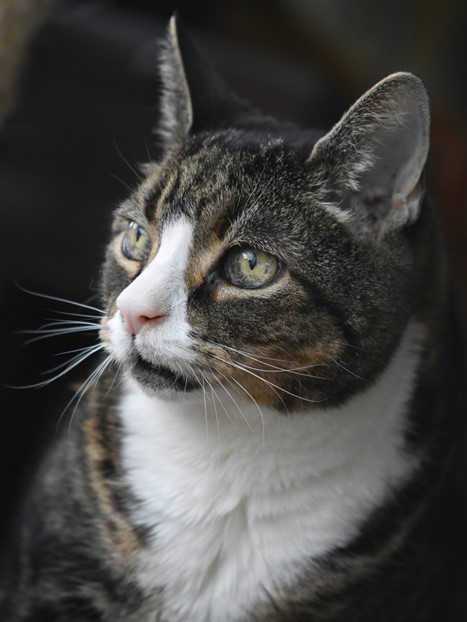
Cats are one of the most popular pets in the world, and for good reason. As a cat owner, you know the joy that a cat can bring. However, feline arthritis can decrease the quality of life for older cats. If your cat has been diagnosed with osteoarthritis (OA), or simply seems to be slowing down, there are several ways to make them more comfortable. Cats with feline osteoarthritis typically experience inflammation and pain in their joints. This pain often interferes with daily activities and can lead to reduced mobility. Of course, we understand that you want to do everything you can to keep your cat feeling frisky.
If you notice your cat limping, having trouble jumping, or showing symptoms of another mobility issue, it’s important to talk to your cat’s veterinarian. While there’s no cure for osteoarthritis in cats, your veterinarian may suggest one or more ways of treating cat arthritis, including nutraceuticals like SeaPet’s Super Joint Formula for Cats. Let’s take a more detailed look into the symptoms, causes, and ways to help cats with arthritis.
What are some common symptoms of cat arthritis?
An important aspect of reducing the severity of arthritis is knowing the signs to look for in cats. Some of the signs of arthritis or joint disease are more dramatic, and other times they are a bit harder to detect. Seemingly healthy cats could show some of these signs, and as cats age, it becomes even more important to be alert. Check out this list of signs to see if your cat displays evidence of arthritis in cats:
- Trouble going up or down stairs
- Difficulty or reluctance to jump up or down
- Limping or stiffness in the legs, particularly after periods of rest
- Irritability
- Reduced levels of activity
- Hiding or sleeping more than normal
- Difficulty using the litter box
- Grooming themselves less
Contrary to popular belief, arthritis can happen in cats of all ages, not just seniors. While none of these symptoms on their own are a definitive diagnosis of osteoarthritis, they are definitely worth getting checked out, no matter how old your cat is. In some cases, a cat might be suffering from a different form of joint disease, so even if you are confident that your feline has arthritis, it is still important to talk to their veterinarian to be sure.
What causes feline arthritis?
For many cats, arthritis is simply a part of getting older. The aging process naturally introduces wear and tear, just like in our own bodies. Cats with more active lifestyles could see the onset of arthritis earlier, but that is not always true. Certain abnormalities in the joints and genetics can also contribute to a higher risk of arthritis. Some cats have a degenerative joint as a result of an injury as well.
One risk factor for arthritis that the owner has a bit more control over is weight. Cats that are overweight put more stress on their joints, which can lead to arthritis. If you have an obese cat, consult their veterinarian about therapeutic diets for your cat. Reducing their exposure to foods that lead to obesity can improve their joint health as well as providing better overall care for your cat.
What are the common ways to care for a cat with arthritis?
- Exercise and physical therapy.
While exercise may seem like a counterintuitive way to care for a cat with arthritis, it can actually be a very helpful way to stave off or address the pain that’s caused by arthritis. Keeping a cat active with toys or food games can help to loosen their joints and keep their muscles from stiffening up, providing your cat with extra mobility. Some cats also enjoy gentle massage and even stretching. Similarly, alternating warm and cool compresses can ease the pain in arthritic joints and keep blood moving. This offers more temporary relief, but can still be valuable.
Some cat owners have also had success setting their cat up with acupuncture. By stimulating certain muscles and nerves with small needles, an acupuncture provider can promote blood flow and reduce swelling. Acupuncture doesn’t cure arthritis, and it cannot heal damaged joints. However, treatment from a skill provider can offer effective pain relief. When done properly, your cat will feel no pain from the needles, and often, cats will feel comfortable and relaxed during this treatment.
- Prescription pharmaceuticals.
First off, an important warning: never give cats a medication that’s designed for humans or any other animals. The dosage or formula may be toxic or even fatal to felines. Even in situations where your cat receives a medication that can also be prescribed to humans, the dosage and timing of dosages will have significant differences. Stick to the medication that’s prescribed specifically for your cat, by your veterinarian.
Pharmaceuticals can be extremely effective when it comes to managing your cat’s arthritis symptoms, but they also have several risks as opposed to more natural methods. There are two main types of drugs given to cats with arthritis: Non-steroidal anti-inflammatory drugs (NSAIDs) and pain medications. NSAIDs reduce the swelling and inflammation that plague cats with arthritis. This can improve their joint mobility and reduce the pain that cats feel from arthritis. Pain medications are given with a goal of reducing pain without addressing inflammation. In some cases, cats with arthritis will receive both types of medication in concert.However, NSAIDs tend to only be prescribed for short-term support as they can have negative effects on several organs. Additionally, pain medications can upset the stomach and affect kidney and liver function, so your cat will need to be monitored by your vet. This makes giving your cat pharmaceuticals to care for their arthritis potentially helpful, but also only to be done on veterinary advice.
What are natural remedies for arthritis in cats?
While there is no cure for cat arthritis, there are a variety of methods used by owners who are seeking to ease the effects of the symptoms of arthritis. Traditional medication is often the first idea that pops into an owner’s head, and of course, this can be an effective solution. However, pharmaceuticals can come with harmful side effects that can damage your cat’s long-term health. Fortunately, there are many ways to provide cats with arthritis natural pain relief: Additionally, there are a number of natural care options that can be proactive measures if your cat has not yet shown signs of arthritis, but you are worried about them developing it.
There are quite a few things that any owner can do to provide their cat with extra comfort. By having a plan to reduce the strain on their joints in everyday life, a cat owner might be able to reduce the symptoms of arthritis. One of simplest options is retiring old, worn pet bedding in favor of a new, supportive (maybe even heated!) bed. As cats age, their bones and joints require more support, and bedding that might have done the trick in the past might not be so suitable. Other measures include raising food and water dishes to the proper height to reduce the burden on arthritic joints, providing stable, non-skid floors, and adding a ramp or step stool to aid in getting to favorite places.
One cat arthritis care option that is accessible and appropriate for almost any cat is nutraceuticals. These are natural supplements for cats with arthritis that are designed to pump up the production of compounds related to joint care, like collagen, and reduce inflammation. Glucosamine and chondroitin are the two most commonly used supplements, and they are said to protect and even bolster the collagen that joint cartilage needs to operate smoothly and painlessly. These nutrients can both alleviate the symptoms of arthritis and delay the onset of symptoms. By promoting overall joint care, you can support your pet’s health in simple, natural ways.
All-natural joint supplements are a safe and non-toxic way to support good joint health, and in fact, are recommended by many vets. Plus, unlike some prescription drugs, nutraceuticals are easy to give to your pet. Supplements available in powder or liquid form can be added right on top of food. Bingo dingo: down the hatch! Because they are not lab-created drugs, nutraceuticals can be much easier to incorporate into your cat’s life. They tend to have fewer side effects, and tend to interact well with any drugs your cat might be taking.
What are the best health supplements to help cats with arthritis?
For those who are concerned about the effects of pharmaceuticals on their cat’s overall health, there are a number of natural methods to reduce the symptoms of arthritis. In fact, it is fairly easy to find a wide range of health supplements targeted at arthritis in cats or other pets. However, not all cat arthritis supplements are created equally. Supplements that are poorly made or that are less pure can introduce unnecessary, or even harmful, compounds into the body of an animal. Likewise, not all supplements that claim to help with arthritis contain the proper nutrients to effectively deal with the symptoms of arthritis. As you strive to help your cat with their overall wellness, it is worth the effort to research the quality of a company and its products. It’s important to look for a company that knows what they’re doing so you can be sure of what you’re getting. Third-party testing, responsible and sustainable harvesting of ingredients — these are all things we should think about when seeking natural supplements. And of course, don’t forget to consult your vet. They may have additional guidance on the dosage, and they can warn you of any potential medication contraindications.
How can Super Joint Formula from SeaPet help my cat?
When you’re looking for a joint supplement you can trust, turn to SeaPet. We’ve spent the last 25 years perfecting supplements for a variety of veterinary needs. We are committed to supporting all aspects of pet health through carefully-inspected, top-notch supplements. Our experience in this field has helped us develop products that are trustworthy and effective.
Our Super Joint Formula Powder is cat-tested and owner-approved and gives your cat the nutrients they need. Our joint powder is based around shark cartilage, which is a great source for many of the vital nutrients related to joint health, including glucosamine, MSM, and chondroitin sulfate. We use shark cartilage because it is a source of 99% pure glucosamine. This supplement also includes added MSM. Both MSM and glucosamine provide effective support for joints, but they are even better together. Combining both in one powder can help to maximize the care your cat receives. Our formula also contains angiogenesis-inhibiting proteins to help joints from breaking down as quickly. While there is no way to reverse the course of arthritis, these nutrients can work in concert to slow the deterioration of joints and strengthen bones and cartilage.
We work hard to ensure that your pet receives exactly the nutrients they need and nothing else. We also inspect all supplements so you can be confident that your cat is safe from toxins or unnecessary additives. Your cat deserves the best, and our Super Joint Formula Powder can give them the support they need to live an active, comfortable life for as long as possible. When taken in the correct dose, these supplements have no side effects, so you don’t have to worry about how they will interact with other medications that your cat is taking for arthritis. This powder is also very easy to put into your cat’s food at mealtime. No need to try to convince them to take pills or apply topical treatments!
Adding this supplement to your cat’s diet is a safe and easy way to support your cat’s joint health, letting them live a more comfortable life. Whether your cat is young and energetic or they are slowing down, our Super Joint Formula Powder can provide essential joint support. For owners interested in trying a natural solution to joint pain caused by OA, try SeaPet’s Super Joint Formula Powder today.
Image by
Helga Kattinger from
Pixabay