What’s The Best Skin And Coat Supplement For Dogs?

Share This Post

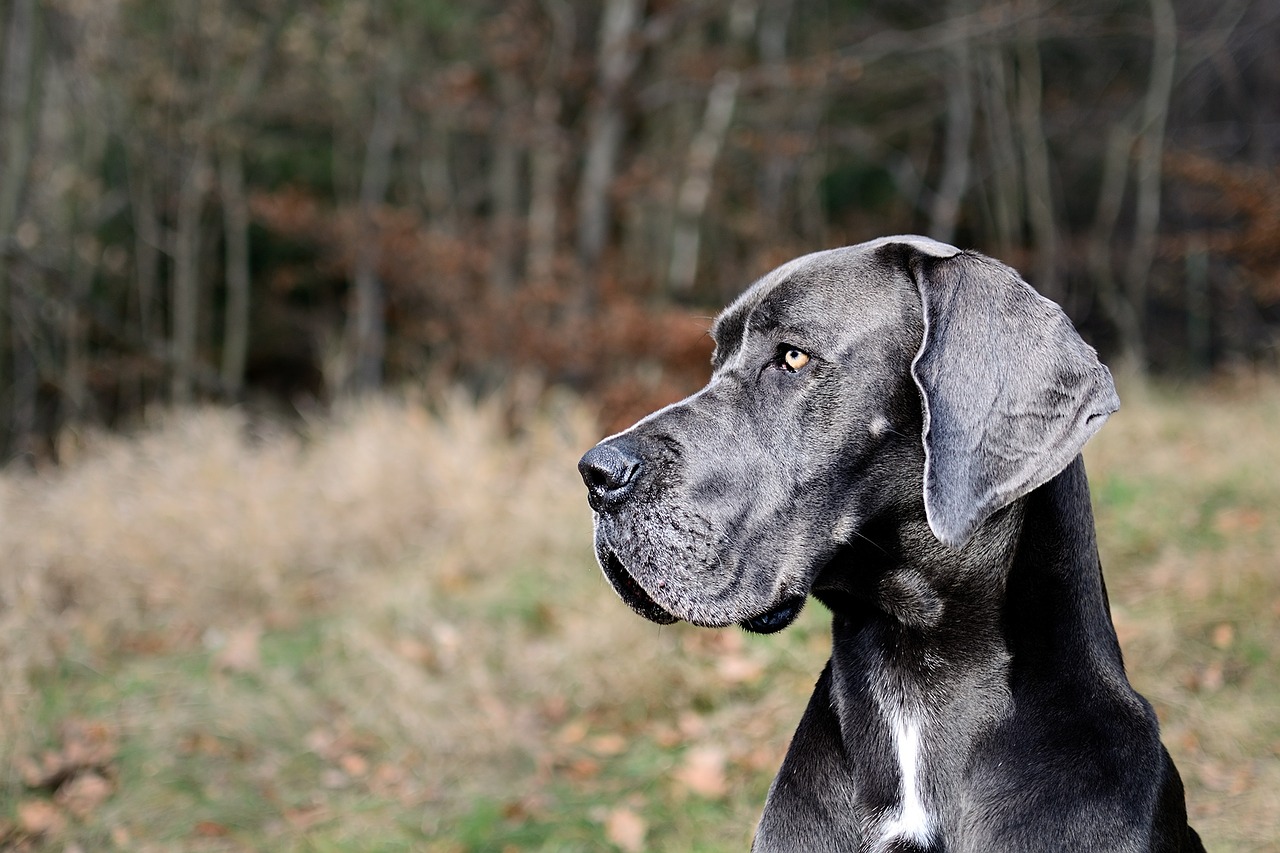
Your dog’s skin and coat can tell you a lot about their overall health. A shiny, smooth coat is healthy; a brittle, coarse coat is not. Healthy skin is supple and smooth, not flaky, greasy, or bumpy. We all know that regular grooming is a necessity when it comes to keeping your dog’s skin and coat healthy, but did you know that you can keep skin and coat problems at bay from the inside out?

Dietary supplements are one of the most popular ways to address these types of issues. While skin and coat supplements for dogs are easy to find, the best skin and coat supplement for dogs is pure omega-3 fish oil. SeaPet’s line of omega-3 fish oils is an easy, effective way to target problems and provide support for a healthy coat and smooth, flake- and itch-free skin. But before we tackle the cure, let’s talk about some of the most common canine skin and coat problems.

Omega-3 And Skin And Coat Problems: The Basics

Before we begin, let’s lead off with a caveat: skin and coat problems can be a manifestation of a variety of different underlying conditions. If you notice any changes in your pet’s skin, always check in with your vet before you try to eliminate flakes or dullness with a skin and coat supplement for dogs. That being said, there are many issues that can be addressed with natural supplements like omega-3 fish oils for dogs.

Omega-3 fatty acids include DHA and EPA, two powerful compounds that provide several benefits to dogs. In addition to supporting good skin and coat health, DHA and EPA are both essential to healthy brain function, immune system support, good heart and kidney health, and more. It’s generally easy to add to your dog’s diet too — just add it to their food. Most dogs love the taste! Enriching your dog’s diet with omega-3 fish oils can benefit your dog both inside and out.

The Causes Of Skin And Coat Issues

There are many potential triggers of skin and coat problems. Both external and internal issues can come into play, from dietary issues and parasites to allergies and overgrooming. While omega-3 fatty acids can’t outright cure certain issues, it works well with prescription medications (of course, check with your vet) and always provides support for good coat and skin health.

In years past, commercial dog foods lacked sufficient omega-3 fatty acids. Today, it’s difficult to feed a commercial diet that’s omega-3 deficient. However, processing often destroys fatty acids. There are also certain diets that can lead to skin issues caused by a lack of omega-3s. For example, dogs who are fed homemade diets that aren’t nutritionally balanced may not get the nutrients they need to maintain healthy skin and coat. Low-fat diets can also cause problems such as a flaky, coarse, dull coat.

Irritated skin and a dull coat can also have external causes. Dogs that aren’t treated with flea and tick medication will scratch themselves more frequently, leading to irritation. It’s important to keep up with flea and tick prevention as over the long term, scratching can open up sores. In turn, this can lead to scabbing and the possibility of infection…that can cause more itching. It’s a vicious cycle, so be sure to stay current with parasite prevention.

Another cause of skin and coat problems is a bit counterintuitive. While you should keep up a regular grooming regimen, bathing your dog too frequently is a no-no. Excessive baths can strip your dog’s skin of the natural oils needed to keep skin hydrated and in good health, so don’t overdo it. However, brushing your dog frequently is fine. In fact, brushing can help to distribute your dog’s natural oils through their coat, keeping them shiny and smooth.

Allergies are another common trigger of skin issues. Unlike humans, dogs typically exhibit allergies through scratching, red and flaky skin, and in extreme cases, even scratching-induced hair loss. Allergies can be seasonal or food-based, so working with your vet to diagnose and treat allergies is a must.

Finding The Best Skin And Coat Supplement For Dogs

It’s important to choose a fish oil (and of course, any supplement that you give your dog) made by a company with experience. You should also become an avid label-reader, as you’ll want to be sure that the fish oil you’re giving your dog is made from the best ingredients — small fish like sardines and anchovies are richer in nutrients than larger fish like salmon. Fish oil is also an efficient way to deliver extra vitamins. Look for a line that gives you options — does your dog need more vitamin A, D, E, or all three?

The manner in which fish oil is processed is also important. Look for a fish oil that’s molecularly distilled, a process in which fish oil is concentrated. This helps to yield higher concentrations of DHA and EPA. Molecular distillation also helps to remove toxic heavy metals, including PCBs, mercury, and other contaminants. The fish oil you give to your dog should also be cold-processed, as high temperatures destroy fatty acids.

Finally, you’ll want to look for a product that’s been third-party tested. Testing certifies that a fish oil is free of the aforementioned heavy metals, PCBs, and other toxins. (Plus, companies that bother to test their products tend to be more trustworthy.)

Address Skin And Coat Problems Naturally

At SeaPet, we take all of these things into consideration when creating our omega-3-rich skin and coat supplements for dogs. We use high-quality, sustainable fish, cold-processing and molecular distilling methods, and all of our fish oils undergo third-party testing to ensure purity and quality to be sure that your dog’s skin and coat will reap the maximum benefits of fish oil.

Our line of fish oils provides you with several choices, including pure fish oil and fish oil enriched with additional vitamins. Your vet can help you choose the product that’s right for your dog. High-quality fish oil is an easy and effective way to address many skin and coat problems, so pick up the best skin and coat supplements for dogs today.

Image Credit: https://pixabay.com/photos/great-dane-portrait-head-2973438/

Share This Post

Recent Articles

Caring for Your Great Dane’s Skin: Common Problems and Natural Solutions

Great Danes, known for their gentle temperament and majestic size, are a beloved breed among dog owners. However, like many large breeds, they can experience a range of skin issues that affect their comfort and overall health. In this post, we’ll explore the most common skin concerns in Great Danes—including allergies, bumps, dry skin, and persistent itching—and share effective solutions. We’ll also highlight how Omega-3 fish oil supplements can help support your Great Dane’s skin and coat health.

Read More »